first alert smoke and co alarm manual

First Alert Smoke and CO Alarms are reliable devices designed to detect smoke and carbon monoxide‚ ensuring home safety with advanced features and compliance with safety standards.

1.1 Overview of First Alert Smoke and CO Alarms

First Alert Smoke and CO Alarms are state-of-the-art safety devices designed to detect both smoke and carbon monoxide in residential environments. These alarms utilize dual-sensor technology for accurate detection and feature smart connectivity options for enhanced functionality. With voice alerts and LED indicators‚ they provide clear warnings to ensure prompt action. Designed to meet regulatory standards like UL 217 and UL 2034‚ these alarms offer reliable protection for homes. They are easy to install and come with user-friendly manuals‚ making them a comprehensive solution for fire and CO safety.

1.2 Importance of Smoke and CO Detection in Homes

Smoke and carbon monoxide (CO) detection are critical for home safety‚ as they provide early warnings for fires and CO leaks‚ which are silent killers. Smoke alarms detect combustion particles‚ while CO alarms identify odorless‚ invisible gases; Both threats can escalate rapidly‚ making timely alerts essential for evacuation and preventing fatalities. First Alert devices ensure round-the-clock monitoring‚ offering peace of mind and compliance with safety regulations to safeguard families and properties from potential disasters.

Key Features of First Alert Smoke and CO Alarms

First Alert Smoke and CO Alarms feature dual-sensor technology‚ voice alerts‚ and LED indicators for clear notifications. They also offer smart connectivity and UL compliance for enhanced safety.

2.1 Dual-Sensor Technology for Smoke and CO Detection

The dual-sensor technology in First Alert Smoke and CO Alarms combines optical and ionization sensors for accurate smoke detection‚ while a CO sensor monitors for dangerous carbon monoxide levels. This integration ensures comprehensive protection by detecting both fast-flaming fires and smoldering fires‚ as well as the odorless CO gas. The technology is designed to minimize false alarms and provide reliable alerts‚ ensuring home safety with advanced detection capabilities and compliance with safety standards.

2.2 Smart Connectivity Options

First Alert Smoke and CO Alarms offer smart connectivity options‚ enabling seamless integration with home networks and smart devices. Users can connect their alarms via Wi-Fi or Bluetooth‚ allowing real-time notifications on smartphones through dedicated apps. This feature ensures alerts are received even when away from home. Additionally‚ voice alerts can be sent through smart speakers‚ enhancing safety. The interconnection capability also allows multiple alarms to communicate‚ providing whole-home protection. These smart features elevate safety and convenience‚ making it easier to monitor and respond to potential threats.

2.3 Voice Alerts and LED Indicators

First Alert Smoke and CO Alarms feature voice alerts and LED indicators for clear notifications. The voice alert announces the type of danger‚ such as “Fire” or “Carbon Monoxide‚” providing immediate clarity. The LED indicators flash rapidly for smoke and slowly for CO‚ visually signaling the threat. This dual system ensures alerts are noticeable even in low-light conditions or for those with hearing impairments. These features enhance safety by providing clear and immediate warnings‚ helping users respond swiftly to emergencies. They are essential for ensuring home safety and awareness.

Installation Requirements and Recommendations

Install Smoke and CO Alarms on every level and in sleeping areas. Place within 3 feet of ceiling peaks and avoid obstructions. Use a drill and screws for secure mounting.

3.1 Ideal Locations for Smoke and CO Alarms

Install Smoke and CO Alarms on every level and in each sleeping area. Place alarms within 3 feet of ceiling peaks and at least 6 inches from walls. Avoid areas near vents‚ doors‚ or windows. On peaked ceilings‚ position alarms within 3 feet of the peak‚ measured horizontally. In large rooms‚ ensure coverage by installing additional alarms to maintain reliability and whole-home safety.

3.2 Tools and Materials Needed for Installation

For installing First Alert Smoke and CO Alarms‚ gather a screwdriver‚ mounting bracket‚ screws‚ and a drill (if needed). Ensure the surface is clean and dry. Use the provided hardware for secure installation. Optional adhesive strips are available for certain models. Follow the user manual for specific instructions tailored to your alarm model. Proper tools ensure a safe and effective installation‚ optimizing performance and reliability.

3.3 Step-by-Step Installation Guide

Choose a location for the alarm‚ ensuring it’s within 3 feet of the ceiling peak on sloped ceilings. 2. Attach the mounting bracket using screws provided. 3. Secure the alarm to the bracket by twisting it clockwise. 4. Test the alarm by pressing the test button. 5. Ensure no obstructions block the sensor. Follow the user manual for specific model instructions and safety guidelines to ensure proper installation and functionality.

Understanding the Alarms and Indicators

First Alert alarms use distinct sounds and LED lights to signal smoke‚ CO detection‚ or low battery. The manual details each indicator for clear understanding and quick action. Always refer to the manual for specific alert patterns and troubleshooting guidance to ensure safety and proper alarm function. Regularly testing the alarms is crucial for maintaining reliability and effectiveness in emergency situations. Familiarize yourself with the indicators to respond appropriately and keep your home safe. Understanding these features enhances overall home safety and peace of mind for users. This section provides essential information for interpreting alarm signals accurately. Ensure all household members are aware of the indicators to act swiftly during emergencies. Proper comprehension of alarms and indicators is vital for effective use of First Alert devices. The manual offers comprehensive details to help users recognize and respond to different alerts promptly. Stay informed to maximize the protective benefits of your smoke and CO alarms. Always prioritize understanding alarm indicators for a safer living environment.

4.1 Types of Alarms (Smoke‚ CO‚ and Low Battery)

First Alert Smoke and CO Alarms feature distinct alert types for smoke‚ carbon monoxide‚ and low battery conditions. Smoke alarms detect particles from combustion‚ emitting a loud beep when triggered. CO alarms sound when dangerous carbon monoxide levels are present‚ ensuring early warning. Low battery alarms chirp intermittently to indicate replacement is needed. These alarms are designed for residential use and comply with UL217 standards‚ providing reliable detection and warning systems for home safety. Understanding these alarm types is crucial for prompt responses during emergencies.

4.2 LED Light Indicators: What They Mean

The LED light indicators on First Alert Smoke and CO Alarms provide visual feedback for different statuses. A steady red light indicates a smoke or CO alarm has been triggered‚ while a yellow light signals a CO detection. A blue light flashes during smart connectivity or when the alarm is silenceable. A green light confirms the alarm is powered and functioning correctly. Flashing patterns may indicate low battery or error conditions. These indicators help users quickly understand the alarm’s status and take appropriate action for home safety and maintenance.

4.3 Silencing the Alarm: When and How

To silence a First Alert Smoke and CO Alarm during a false alarm‚ press and hold the Test/Silence button until the alarm stops. This feature temporarily quiets the alarm‚ allowing you to investigate without disabling it permanently. Note that silencing should only be done in non-emergency situations‚ such as cooking fumes triggering the alarm. Always address the cause of the false alarm‚ like replacing batteries or cleaning the sensor‚ to ensure proper functionality. Never silence the alarm during a real emergency.

Maintenance and Troubleshooting

Regularly clean the alarm with a vacuum or soft brush to remove dust. Replace batteries annually or when the low-battery alert sounds. Troubleshoot issues like false alarms by checking for obstructions or excessive humidity near the sensor.

5.1 Cleaning the Alarm: Best Practices

Regular cleaning is essential for maintaining your First Alert Smoke and CO Alarm’s performance. Use a soft brush or vacuum cleaner to gently remove dust and debris from the exterior and sensor. Avoid using harsh chemicals‚ water‚ or abrasive materials‚ as they may damage the device. Ensure the alarm is turned off before cleaning to prevent accidental triggers. Clean the alarm every 30 days to ensure optimal detection accuracy. Never paint or modify the alarm‚ as this can interfere with its functionality. Always follow the manufacturer’s guidelines for cleaning and maintenance.

5.2 Replacing Batteries: Guidelines and Recommendations

Always use the battery type recommended in the manual‚ typically AA alkaline batteries‚ to ensure optimal performance. Replace batteries when the alarm chirps or the LED flashes‚ indicating low power. Open the battery compartment by sliding or twisting it‚ depending on the model. Insert batteries with correct polarity (+ and -) as marked. Replace all batteries at once for consistent power. Test the alarm after installation by pressing the test button to confirm functionality. Replace batteries every six months or as indicated by the alarm’s low-battery signal to maintain reliability and safety.

5.3 Troubleshooting Common Issues

Common issues with First Alert Smoke and CO Alarms include false alarms caused by dust or steam. Clean the alarm regularly with a vacuum cleaner to remove debris. If the alarm is not responding‚ check the power source and ensure batteries are installed correctly. For persistent issues‚ reset the alarm by disconnecting and reconnecting the power. If connected to a smart system‚ restart the device or check its connectivity. Refer to the user manual for specific troubleshooting steps tailored to your model to resolve issues effectively and ensure proper functionality.

Interconnection Features

First Alert Smoke and CO Alarms can interconnect with multiple units‚ ensuring whole-home protection. They support wireless or hardwired connectivity and integrate with smart devices for enhanced safety.

6.1 Connecting Multiple Alarms for Whole-Home Safety

First Alert Smoke and CO Alarms can be interconnected to ensure whole-home protection. When one alarm detects smoke or CO‚ all connected units sound simultaneously. This feature enhances safety by providing early warnings throughout the house. The interconnection can be wired or wireless‚ depending on the model. Refer to the manual for specific setup instructions. This interconnected system creates a network of protection‚ ensuring no area is left uncovered. It’s especially crucial in multi-level homes or larger spaces. Always follow the manufacturer’s guidelines for proper installation and connectivity. This ensures seamless communication between alarms. Interconnection features are a key advantage of First Alert systems.

6.2 Compatibility with Other Smart Devices

First Alert Smoke and CO Alarms are compatible with various smart home systems‚ enabling seamless integration for enhanced safety. Many models can connect to smart devices via Wi-Fi or Bluetooth‚ allowing remote monitoring and notifications. This compatibility ensures that users receive alerts on their smartphones or tablets‚ even when they’re not at home. Additionally‚ voice alerts can be integrated with smart speakers for clear communication during emergencies. Refer to the user manual for specific compatibility details and setup instructions to maximize smart home integration benefits. This feature enhances overall home safety and convenience. Smart connectivity options are a standout feature of these alarms.

Carbon Monoxide Detection: Key Facts

Carbon monoxide alarms detect CO levels in the air‚ providing early warnings to prevent poisoning. They are specifically designed to identify CO‚ not smoke or other gases‚ ensuring accurate alerts for this odorless‚ invisible threat. CO alarms are a critical component of home safety systems.

7.1 Understanding CO Risks and Sources

Carbon monoxide (CO) is a colorless‚ odorless gas produced by incomplete combustion of fuels. It is highly toxic in high concentrations‚ leading to severe health risks‚ including poisoning or death. Common sources include malfunctioning heating systems‚ blocked vents‚ and fuel-burning appliances like generators or fireplaces. Understanding these risks is crucial for ensuring proper detector installation and maintaining home safety. CO alarms are essential for early detection‚ as they can identify dangerous levels before symptoms appear‚ providing critical time to evacuate.

7.2 How CO Alarms Differ from Smoke Alarms

CO alarms differ from smoke alarms in their detection mechanisms and purposes. Smoke alarms detect particles from combustion‚ while CO alarms measure carbon monoxide levels. CO alarms use electrochemical sensors‚ unlike smoke alarms‚ which often rely on optical or ionization technology. Additionally‚ CO alarms typically include memory features to track CO levels over time‚ whereas smoke alarms focus on immediate fire detection. Both are essential for home safety but serve distinct roles in protecting against different hazards.

Compliance and Regulatory Standards

First Alert Smoke and CO Alarms comply with UL 217 and UL 2034 standards‚ ensuring reliable detection. They meet local fire and safety codes for residential use.

8.1 UL 217 and UL 2034 Compliance

First Alert Smoke and CO Alarms are designed to meet rigorous UL 217 and UL 2034 standards‚ ensuring reliable smoke and carbon monoxide detection. These standards verify that alarms can detect fires and CO levels accurately while resisting false alarms. UL 217 focuses on smoke alarm performance‚ while UL 2034 specifically addresses carbon monoxide detection. Compliance with these standards ensures the alarms function effectively in various environmental conditions‚ providing homeowners with trusted protection and peace of mind.

8.2 Meeting Local Fire and Safety Codes

First Alert Smoke and CO Alarms are designed to meet or exceed local fire and safety codes‚ ensuring compliance with regional regulations. These alarms adhere to standards set by authorities‚ such as the number of alarms required per home‚ installation locations‚ and sensitivity levels; By meeting these codes‚ First Alert devices help homeowners stay safe while avoiding potential legal issues. Always check local requirements to ensure proper installation and functionality of the alarms in your area for comprehensive protection and adherence to safety laws.

Battery Management

First Alert Smoke and CO Alarms require specific battery management for optimal performance. Use recommended long-life batteries‚ avoid rechargeable ones unless specified‚ and replace them as guided to ensure reliability and safety.

9.1 Types of Batteries Recommended

First Alert Smoke and CO Alarms require specific batteries for reliable operation. Use non-rechargeable alkaline batteries‚ such as 9V or AA/AAA‚ depending on the model. Avoid mixing old and new batteries to prevent performance issues. For models like the PRC710V and PC1210V‚ ensure compatibility with recommended battery types. Replace batteries every six months or when the low-battery alert sounds. Proper battery selection ensures consistent detection and alarm functionality‚ maintaining your home’s safety and security.

9.2 How to Replace Batteries

Replacing batteries in your First Alert Smoke and CO Alarm is essential for maintaining its functionality. Start by turning off the power source if it’s a hardwired model. Remove the alarm from its mounting bracket and open the battery compartment. Take out the old batteries and insert the new ones‚ ensuring they are non-rechargeable alkaline and correctly aligned with the polarity indicators. Close the compartment securely and reinstall the alarm. Test the alarm by pressing the test button to confirm it’s working properly‚ ensuring your home remains protected from smoke and carbon monoxide threats.

9.3 Signs of Low Battery

Your First Alert Smoke and CO Alarm signals a low battery with a distinct chirp every minute and a flashing LED light. These alerts indicate the battery needs replacement to maintain proper functionality. If the alarm is hardwired‚ it may also display a low-battery warning on its display screen. Ignoring these signs can result in the alarm not functioning during an emergency. Always address low-battery indicators promptly to ensure continuous protection for your home and family.

User Manual and Additional Resources

The official user manual for First Alert Smoke and CO Alarms is available online‚ offering detailed installation and maintenance instructions. Additional resources include online tutorials‚ troubleshooting guides‚ and customer support contact information for assistance with any issues.

10.1 Accessing the Official User Manual

To access the official user manual for your First Alert Smoke and CO Alarm‚ visit the manufacturer’s website. Manuals are available for download in PDF format‚ providing detailed installation‚ maintenance‚ and troubleshooting instructions. Ensure you select the correct model‚ such as the PRC710V or PC1210V‚ for accurate information. The manual also includes safety precautions and warranty details. For additional support‚ refer to the website’s resource section or contact customer support for further assistance.

10.2 Online Tutorials and Guides

First Alert offers a range of online resources‚ including video tutorials and step-by-step guides‚ to help users understand and manage their smoke and CO alarms. These resources cover installation‚ connectivity‚ and troubleshooting. Users can find model-specific instructions‚ such as for the SC5 Smart Smoke & CO Alarm‚ to ensure proper setup and functionality. Online guides also provide tips for maintaining the device and resolving common issues. By referring to these resources‚ users can maximize the effectiveness of their alarms and ensure optimal performance for home safety.

10.3 Customer Support Contact Information

First Alert provides dedicated customer support to assist with any questions or concerns about their smoke and CO alarms. For troubleshooting‚ installation‚ or product inquiries‚ users can contact the support team via phone or email. The customer service team is available to address issues‚ offer guidance‚ and provide information on warranty claims. Visit the official First Alert website for detailed contact information and support options. Representatives are ready to help ensure your safety and satisfaction with their products.

Safety Tips During an Emergency

Evacuate everyone immediately‚ stay low to avoid smoke‚ exit quickly‚ and call 911. Never re-enter a building until authorities confirm it is safe.

11.1 What to Do When the Smoke Alarm Sounds

When the smoke alarm sounds‚ stay calm and act quickly. Evacuate everyone from the building immediately‚ including pets. Do not investigate the source of the alarm. Stay low to avoid smoke inhalation‚ as smoke rises. Once outside‚ call 911 or your local emergency number. Do not re-enter the building until authorities confirm it is safe. Ensure all family members are accounted for and wait at a designated meeting spot. Remember‚ seconds count in emergencies—prioritize safety above all else.

11.2 Evacuation Procedures for CO Leaks

When the CO alarm sounds‚ evacuate everyone‚ including pets‚ immediately. Open windows for ventilation if possible‚ but prioritize leaving the building. Once outside‚ call 911 and report the potential leak. Do not re-enter the building until authorities confirm it’s safe. Gather at a designated meeting spot to ensure everyone’s safety and account for all family members. Stay upwind to avoid inhaling more CO fumes. Avoid using electrical appliances or starting cars near the building. Wait for professional clearance before returning home. Stay safe.

Warranty and Product Support

First Alert Smoke and CO Alarms are backed by a limited warranty‚ typically 5 to 10 years for detectors‚ covering manufacturing defects. For warranty details‚ visit the official website or contact customer support. Support is available to assist with product-related inquiries‚ repairs‚ or replacements. User manuals and troubleshooting guides are accessible online. Contact First Alert’s customer service for help with warranty claims or product issues.

12.1 Warranty Details and Coverage

First Alert Smoke and CO Alarms are covered under a limited warranty‚ typically spanning 5 to 10 years‚ depending on the model. This warranty covers manufacturing defects and ensures reliable performance. The coverage includes repairs or replacements for faulty units‚ excluding damage caused by improper installation or misuse. For specific details‚ refer to the official product manual or visit First Alert’s website. Warranty terms may vary by region‚ so it’s essential to review the provided documentation or contact customer support.

12.2 Repair and Replacement Options

First Alert offers repair or replacement options for defective Smoke and CO Alarms; Contact customer support for assistance with faulty units. Repairs are typically covered under warranty‚ while replacements may be provided if issues persist. For models like the SC5 or PRC710V‚ refer to the user manual for specific guidance. If your alarm is no longer functioning correctly‚ visit First Alert’s official website or call their support team to explore repair or replacement solutions tailored to your needs.

Comparing Models

First Alert offers various models‚ such as the PRC710V and SC5‚ each with unique features like smart connectivity or voice alerts‚ ensuring reliable home safety solutions.

13.1 PRC710V vs. PC1210V: Key Differences

The PRC710V and PC1210V differ in features and functionality. The PRC710V offers a sleek design with advanced smoke detection‚ while the PC1210V includes smart connectivity options. Both models meet UL standards and provide reliable protection. The PRC710V is ideal for those seeking a traditional alarm‚ whereas the PC1210V is suited for smart home integration. Each model ensures comprehensive safety with distinct capabilities tailored to user preferences and home setups.

13.2 Features of the SC5 Smart Smoke & CO Alarm

The SC5 Smart Smoke & CO Alarm offers advanced features like voice alerts‚ LED indicators‚ and smart connectivity‚ enabling integration with other devices. It provides real-time notifications and remote monitoring through a smartphone app. The alarm is designed for whole-home safety‚ with interconnectivity to link multiple units. It also meets UL 217 and UL 2034 standards‚ ensuring reliable detection of smoke and carbon monoxide. Its sleek design and user-friendly interface make it a top choice for modern homes seeking enhanced safety and convenience.

First Alert Smoke and CO Alarms are a vital investment in home safety‚ offering reliability‚ advanced features‚ and peace of mind. Regular maintenance ensures optimal performance and protection.

14.1 Final Thoughts on First Alert Smoke and CO Alarms

First Alert Smoke and CO Alarms are a vital investment in home safety‚ offering reliability‚ advanced features‚ and peace of mind. Regular maintenance ensures optimal performance and protection.

14.2 Importance of Regular Maintenance

Regular maintenance is crucial for ensuring the reliability and effectiveness of First Alert Smoke and CO Alarms. Cleaning the alarm‚ replacing batteries‚ and checking for proper function help prevent false alarms and ensure timely detection. Neglecting maintenance can lead to reduced performance‚ putting your home and family at risk. Always follow the manufacturer’s guidelines for upkeep to maintain optimal safety and peace of mind.

manual d3300 nikon

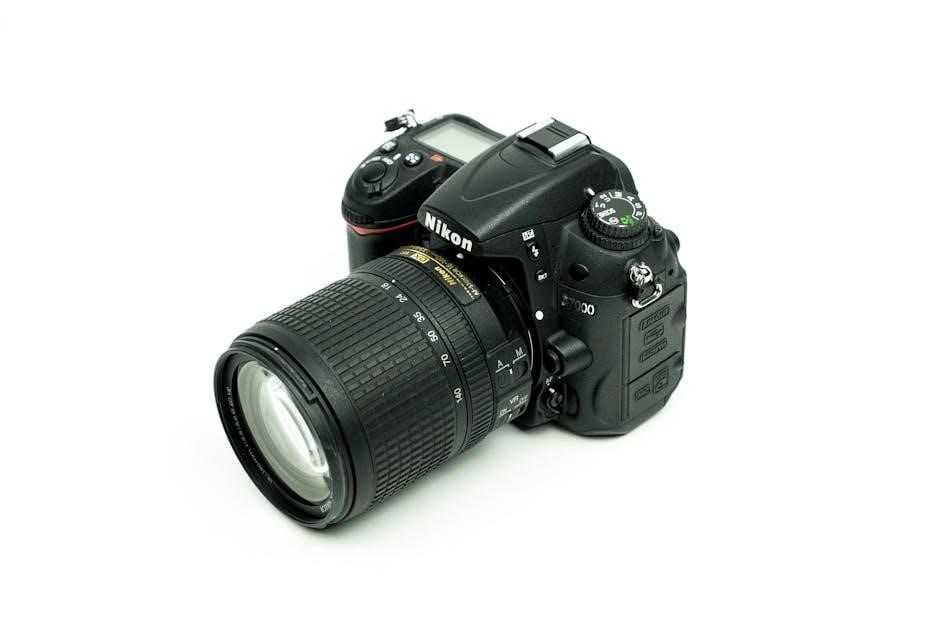
The Nikon D3300 is an entry-level DX-format DSLR featuring a 24.2MP CMOS sensor, EXPEED 4 processor, Guide Mode, and Special Effects for creative photography, ideal for beginners.

Overview of the Nikon D3300 Camera

The Nikon D3300 is an entry-level DX-format DSLR camera designed for beginners and photography enthusiasts. It features a 24.2-megapixel CMOS sensor without an optical low-pass filter, delivering high-resolution images with sharp details. Powered by the EXPEED 4 image-processing engine, it offers improved noise reduction and high-speed performance. The camera is lightweight and compact, with a durable carbon fiber monocoque body, making it highly portable. It supports Full HD video recording at 60p and includes Guide Mode for intuitive operation, making it an excellent choice for those looking to explore creative photography.

Key Features and Technical Specifications

The Nikon D3300 features a 24.2-megapixel DX-format CMOS sensor without an optical low-pass filter, ensuring sharp and detailed images. It is equipped with the EXPEED 4 image-processing engine, offering enhanced noise reduction and faster operation. The camera supports an ISO range of 100 to 12800 (expandable to 25600) and continuous shooting at up to 5 fps. It records Full HD 1080p videos at 60p and features an 11-point autofocus system. The 3-inch LCD screen and 0.85x viewfinder provide clear previews and playback. Weighing 655g, it is lightweight and durable, with a carbon fiber monocoque body for portability and strength.

Understanding the Camera Layout

The Nikon D3300 features an ergonomic design with intuitive controls, including a mode dial, viewfinder, and LCD screen, ensuring easy navigation and access to key functions.

Camera Body and Controls

The Nikon D3300 features a lightweight and durable carbon fiber monocoque body, weighing just 655g with the kit lens. Its ergonomic design includes a comfortable grip for stable shooting. Key controls like the mode dial, command dial, and multi-selector provide intuitive access to settings. The 3-inch LCD screen and high-magnification viewfinder (0.85x) enhance composition and playback. The camera’s compact dimensions (124mm wide, 98mm tall, 126mm deep) make it highly portable while maintaining professional-grade functionality, appealing to both beginners and experienced photographers.

Lens and Accessories Overview

The Nikon D3300 is bundled with the AF-S DX NIKKOR 18-55mm f/3.5-5.6G VR II lens, featuring a retractable design for portability. This lens offers a versatile zoom range, optical stabilization, and improved optical performance. Additionally, the D3300 supports a wide range of Nikkor lenses, allowing for creative flexibility. Optional accessories include the Wireless Mobile Adapter WU-1a for wireless image transfer and remote shooting via smart devices, enhancing connectivity and convenience for modern photographers.

Mode Dial and Shooting Modes

The Nikon D3300 features a mode dial with Auto, Scene, and Manual modes, plus Guide Mode to assist beginners in capturing images as intended with ease.

Auto Mode and Scene Modes

The Nikon D3300 offers Auto Mode for effortless photography, automatically adjusting settings for optimal results. Scene Modes, such as Portrait, Landscape, and Night Portrait, tailor settings to specific situations. Special Effects like Super Vivid and Miniature Effect enhance creativity in both stills and videos. Guide Mode provides step-by-step instructions, helping beginners capture desired outcomes. These modes simplify photography, allowing users to focus on composition while the camera handles technical details, making it ideal for those learning the basics of DSLR photography.

Manual Mode and Custom Settings

In Manual Mode, the Nikon D3300 offers full control over aperture, shutter speed, and ISO, allowing advanced users to fine-tune settings for precise results. Custom Settings enable personalization of camera functions, such as button assignments and exposure adjustments, to suit individual preferences. The camera also supports RAW image capture, providing greater flexibility in post-processing. Additionally, the EXPEED 4 processor enhances image quality at high sensitivities, making it ideal for enthusiasts seeking creative control and professional-grade output.

Getting Started with the Nikon D3300

Unbox and set up your D3300, ensuring the battery is charged and a memory card is inserted. Familiarize yourself with basic camera settings and modes.

Unboxing and Initial Setup

When unboxing the Nikon D3300, you’ll find the camera body, AF-S DX NIKKOR 18-55mm lens, rechargeable battery, charger, USB cable, and neck strap. Insert the battery and memory card, ensuring they are securely locked in place. Attach the lens by aligning the mounting index and rotating it clockwise until it clicks. Turn on the camera and follow the on-screen guide to set your language, time zone, and date. Charge the battery fully before first use and consider updating the firmware for optimal performance. Refer to the provided manual or CD-ROM for detailed setup instructions.

Basic Camera Settings and Configuration

Start by setting your image quality to JPEG or RAW, depending on your needs. Adjust the ISO sensitivity between 100-12800 (expandable to 25600) for optimal results in various lighting conditions. Set white balance to match your environment or use Auto for ease. Configure autofocus by selecting between Single AF, Continuous AF, or Manual Focus. Choose from Auto Mode or Scene Modes like Portrait or Landscape for specific shooting scenarios. Enable high-speed continuous shooting at 5 fps for capturing action. Use the Guide Mode for step-by-step assistance, ideal for beginners learning to control aperture, shutter speed, and ISO effectively.

Autofocus and Metering Systems

The Nikon D3300 features advanced autofocus and metering systems, enabling quick focus acquisition and precise exposure control for sharp, well-balanced images in various lighting conditions.

Autofocus Modes and Customization

The Nikon D3300 offers versatile autofocus modes, including AF-A (Auto-Servo AF), AF-S (Single-Servo AF), and AF-C (Continuous-Servo AF), catering to different shooting scenarios. The camera features an 11-point AF system with a central cross-type sensor, ensuring precise focus acquisition. Users can customize autofocus settings, such as selecting AF-area modes like Single Point, Dynamic Area, 3D Tracking, and Auto-Area AF, allowing for tailored focus control. Additionally, the D3300 supports manual focus override, enabling fine adjustments for creative control. The camera also incorporates the Scene Recognition System, which enhances autofocus accuracy by analyzing the scene through the 2016-pixel RGB sensor.

Metering Modes and Exposure Control

The Nikon D3300 features advanced metering modes, including Matrix Metering, Center-Weighted Metering, and Spot Metering, ensuring accurate exposure control. The camera’s 2016-pixel RGB sensor enhances scene analysis for precise metering. Exposure compensation allows adjustments of ±5 EV in 1/3 EV steps, while Active D-Lighting optimizes high-contrast scenes by preserving details in shadows and highlights. These tools provide flexibility for photographers to achieve desired exposure results, catering to both automatic and manual shooting preferences.

Manual Controls and Creative Shooting

The Nikon D3300 offers manual controls for aperture, shutter speed, and ISO, enabling creative adjustments. Guide Mode simplifies settings, while Special Effects allow artistic image enhancements during shooting.

Understanding Aperture, Shutter Speed, and ISO

Aperture, shutter speed, and ISO are fundamental for creative control on the Nikon D3300. Aperture regulates light entry and depth of field, with lower f-stops opening the lens wider. Shutter speed controls exposure duration, freezing or blurring motion. ISO adjusts sensitivity to light, with lower values suited for bright conditions and higher for low light. Balancing these settings enables precise control over image exposure and aesthetic effects, allowing photographers to achieve desired results in various shooting scenarios.

White Balance and Picture Control Settings

White Balance on the Nikon D3300 adjusts color based on lighting conditions, with options like Auto, Daylight, Incandescent, Fluorescent, Cloudy, Shade, and custom settings using the PRE option. Picture Control Settings allow customization of image parameters such as sharpness, contrast, brightness, saturation, and hue to achieve desired visual styles. These settings help photographers tailor their images to specific aesthetics or subjects, ensuring consistent results. Custom Picture Controls can be saved for quick access, enhancing workflow efficiency during shooting sessions.

Viewfinder and Live View

The Nikon D3300 features a 0.85x high-magnification optical viewfinder with 95% frame coverage, while Live View mode offers precise on-screen preview and focus control.

Using the Optical Viewfinder

The Nikon D3300’s optical viewfinder provides a clear, 0.85x magnification with 95% frame coverage, ensuring precise composition and focus. The viewfinder displays essential shooting information, including aperture, shutter speed, and ISO, allowing for quick adjustments. A built-in diopter adjustment (-1.7 to +0.5 m⁻¹) ensures sharp visibility for users with vision correction. The viewfinder’s intuitive design helps capture decisive moments efficiently, even in low-light conditions. It also supports the camera’s Guide Mode, offering on-screen instructions to simplify photography for beginners and experienced shooters alike.

Navigating Live View and Playback

The Nikon D3300’s 3-inch LCD screen allows for intuitive Live View and playback navigation. Activate Live View via the dedicated button to preview shots in real time. Use the multi-selector to navigate through images and zoom in/out using the +/- buttons. During playback, apply basic retouch effects like red-eye correction or resize images directly on the camera. The LCD also displays shooting data, histograms, and GPS info when available. This feature-rich interface simplifies reviewing and editing photos on the go, enhancing your overall shooting experience with the D3300.

Recording Images and Video

The Nikon D3300 excels at capturing high-quality images and smooth 60p full-HD video, offering manual controls for creative shooting and enhanced autofocus during video recording.

Still Image Shooting and Quality Settings

The Nikon D3300 offers superior still image shooting with its 24.2MP DX-format CMOS sensor, capturing detailed images with vibrant colors. The camera supports various quality settings, including JPEG and RAW formats, allowing users to choose between compressed and uncompressed files. ISO sensitivity ranges from 100 to 12800 (expandable to 25600), ensuring low-noise performance in diverse lighting conditions. With continuous shooting at up to 5 fps, the D3300 excels at capturing dynamic moments. Its EXPEED 4 processor enhances image quality and processing speed, making it ideal for both beginners and enthusiasts.

Video Recording and Special Effects

The Nikon D3300 supports 60p full-HD video recording, enabling smooth and detailed movie capture. Manual controls allow users to adjust shutter speed and ISO for creative video shooting. Special Effects can be applied to both still images and movies, with real-time previews in the monitor. These effects, such as illustration or cartoon styles, add artistic flair to content. The D-Movie function enhances video quality, reducing noise at high sensitivities. Combined with NIKKOR lenses, the D3300 delivers cinematic results, making it a versatile tool for both photography and videography enthusiasts.

Connectivity and Software

The Nikon D3300 supports wireless connectivity via the WU-1a adapter, enabling image transfer to smart devices and remote shooting. Nikon Software and manuals are available for download.

Wireless Connectivity and Mobile Adapter

The Nikon D3300 supports wireless connectivity through the optional WU-1a Wireless Mobile Adapter. This accessory allows users to transfer images directly to smartphones or tablets, enabling easy sharing and remote shooting. The WU-1a provides flexibility in image transfer size, adapting to the storage capacity of the device or intended use. Additionally, it enables remote camera control via a smart device, enhancing creativity and convenience. This feature is particularly useful for capturing unique perspectives or sharing moments instantly, making the D3300 more versatile for modern photography needs.

Using Nikon Software and Manuals

Nikon provides comprehensive software and manuals for the D3300, enhancing user experience. The Nikon Manual Viewer 2 app allows easy access to digital camera manuals in PDF format. Additionally, the Download Center offers software, firmware, and documentation for Nikon products. Users can download resources like picture control utilities and wireless transfer tools. Manuals are available in multiple languages, ensuring global accessibility. These resources help users master the D3300’s features, from basic settings to advanced techniques, making photography more enjoyable and efficient for all skill levels.

Troubleshooting and Maintenance

Nikon provides detailed resources for troubleshooting and maintaining the D3300. Regular sensor cleaning, firmware updates, and consulting the manual ensure optimal performance and extend camera longevity;

Common Issues and Solutions

Common issues with the Nikon D3300 include error messages, autofocus malfunctions, and memory card errors. For error messages, ensure the lens is properly attached and clean the contacts. Autofocus issues may require sensor cleaning or firmware updates. Memory card errors can often be resolved by formatting the card in-camera or using a high-quality SD card. Refer to the manual for detailed troubleshooting steps and solutions to maintain optimal camera performance and address problems effectively. Regular maintenance, such as cleaning the sensor and updating firmware, helps prevent issues and ensures longevity. Always consult the Nikon manual for specific guidance.

Cleaning and Maintaining the Camera

Regular cleaning and maintenance are essential to ensure the Nikon D3300 performs optimally. Use a soft, dry cloth to wipe the camera body and avoid harsh chemicals. For the image sensor, use a blower or Nikon-approved cleaning tools. The mirror should be cleaned gently with a specialized brush or swabs. Store the camera in a dry, cool place and update firmware regularly. Clean lenses with a microfiber cloth and avoid touching the glass. Refer to the manual for detailed cleaning procedures to maintain the camera’s longevity and image quality. Proper care ensures consistent performance and prevents damage; Always follow Nikon’s guidelines for cleaning and maintenance.

The Nikon D3300 is a powerful tool for creative photography, perfect for both beginners and experienced users. Its ease of use and advanced features make it an excellent choice for capturing stunning images and growing your photography skills.

Final Tips for Mastering the Nikon D3300

To fully master the Nikon D3300, experiment with its shooting modes, starting with Guide Mode for beginners. Gradually explore manual settings like aperture, shutter speed, and ISO to gain creative control. Utilize the EXPEED 4 processor for improved image quality and faster performance. Take advantage of Special Effects for artistic touches and ensure proper autofocus settings for sharp images. Regularly clean the sensor and lens for optimal results. Finally, leverage the wireless mobile adapter for easy image transfer and remote shooting, enhancing your overall photography experience with this versatile DSLR.

de’longhi coffee machine manual pdf

The DeLonghi Coffee Machine Manual PDF serves as your gateway to efficiency, providing essential guidance on safety, setup, and optimal use of your machine. It streamlines your brewing process and boosts productivity, ensuring you get the most out of your coffee maker.

Overview of the Importance of the Manual

The DeLonghi Coffee Machine Manual PDF is a comprehensive guide designed to ensure seamless operation and optimal performance of your coffee maker. It provides detailed instructions for safety precautions, setup, and troubleshooting, helping users avoid common mistakes. The manual is essential for understanding the machine’s features, from basic functions to advanced settings. Whether you’re a novice or an experienced user, it serves as a go-to resource for maintaining your coffee machine and resolving issues efficiently, ensuring the best coffee experience every time.

Why Reading the Manual is Essential for Optimal Use

Reading the DeLonghi Coffee Machine Manual PDF is crucial for achieving optimal performance and longevity of your machine; It provides clear instructions on setup, brewing techniques, and maintenance, ensuring you utilize all features effectively. The manual also highlights safety guidelines and troubleshooting tips, helping you avoid potential issues and maintain the machine’s efficiency. By following the manual, you can enhance your coffee-making experience and preserve the quality of your DeLonghi coffee machine for years to come.

Downloading the DeLonghi Coffee Machine Manual PDF

Access the DeLonghi Coffee Machine Manual PDF easily through official sources like Manuals.ca or the DeLonghi website, ensuring you have reliable guidance for setup and use.

Official Sources for the Manual

The DeLonghi Coffee Machine Manual PDF is available on trusted platforms like Manuals.ca and the official DeLonghi website. These sources provide authentic and comprehensive guides, ensuring access to detailed instructions, safety precautions, and troubleshooting tips. Downloading from these official channels guarantees you receive the most accurate and up-to-date information tailored to your specific coffee machine model, enhancing your user experience and ensuring optimal performance.

Steps to Download the PDF Version

To download the DeLonghi Coffee Machine Manual PDF, visit the official DeLonghi website or trusted platforms like Manuals.ca. Locate your specific coffee machine model using the search bar. Click on the product page, then navigate to the “Manuals” or “Downloads” section. Select the PDF version of the manual and click “Download.” Ensure you verify the source for authenticity to avoid unauthorized content. This process guarantees access to the most accurate and up-to-date instructions for your machine.

Troubleshooting Common Download Issues

Common issues when downloading the DeLonghi Coffee Machine Manual PDF include slow loading times or failed downloads. Ensure a stable internet connection and verify that you’re accessing the manual from an official source. If the PDF fails to open, check for browser compatibility or download errors. For models like the Magnifica Evo ECAM290.61.B or Dedica Deluxe EC685, ensure you’re selecting the correct model. If persistent issues occur, contact DeLonghi customer support or try an alternative download platform like Manuals.ca.

Understanding the Structure of the Manual

The DeLonghi Coffee Machine Manual PDF is comprehensively structured, covering safety guidelines, setup, brewing instructions, maintenance, and troubleshooting. It includes detailed diagrams and clear navigation for optimal use.

Key Sections of the Manual

The DeLonghi Coffee Machine Manual PDF is well-organized, featuring essential sections like safety precautions, machine setup, brewing instructions, and maintenance routines. It also includes troubleshooting guides, parts diagrams, and detailed descriptions of advanced features such as LatteCrema Technology. Each section is designed to provide clear, step-by-step guidance, ensuring users can easily navigate and understand how to optimize their coffee-making experience. The manual also covers specific models, offering tailored advice for popular machines like the Magnifica Evo and Dedica Deluxe.

Navigating the Table of Contents

The DeLonghi Coffee Machine Manual PDF features a detailed table of contents, making it easy to locate specific information. Sections are logically organized, covering safety guidelines, machine setup, brewing instructions, and maintenance routines. Users can quickly find troubleshooting tips, parts diagrams, and guides for advanced features like LatteCrema Technology. Clear headings and numbered steps ensure easy navigation, helping users efficiently find what they need to optimize their coffee-making experience.

Visual Guides and Diagrams in the Manual

The DeLonghi Coffee Machine Manual PDF includes detailed visual guides and diagrams to enhance understanding. These visuals illustrate machine parts, step-by-step brewing processes, and maintenance routines. Diagrams highlight key components like water tanks and grinders, while troubleshooting sections use images to identify common issues. Visuals for advanced features, such as LatteCrema Technology, provide clear instructions for optimal use. These elements make the manual user-friendly, ensuring even complex tasks are easy to follow and execute effectively for a perfect coffee experience.

Safety Precautions and Warnings

Always follow safety guidelines to avoid burns or machine damage. Be cautious of hot surfaces, steam jets, and sharp parts. Keep children away and ensure proper ventilation.

General Safety Guidelines

Always prioritize safety when using your DeLonghi coffee machine. Avoid scalding from steam jets by keeping a safe distance. Ensure the machine is placed on a stable, heat-resistant surface. Never touch hot surfaces or internal components. Keep children away from the machine while in operation. Proper ventilation is essential to avoid steam buildup. Regularly inspect the power cord and plug for damage. Follow all instructions carefully to prevent accidents and ensure optimal performance. Safety precautions are outlined in detail within the manual to protect both you and your machine.

Precautions for First-Time Users

Before using your DeLonghi coffee machine, read the manual thoroughly to understand its operation. Ensure all packaging materials are removed and the machine is placed on a stable surface. For first-time use, run 4-5 cycles without coffee to prime the system. Avoid touching hot parts and keep children away. Familiarize yourself with the controls and settings before brewing. Proper initial setup ensures safety and optimal performance, as outlined in the manual. Follow these steps carefully to enjoy your coffee-making experience.

Avoiding Scalding from Steam Jets

The DeLonghi coffee machine’s steam jets can cause burns if not handled carefully. Always maintain a safe distance from the steam wand and avoid touching it during operation. Ensure the wand is clear of obstructions before use. Use a cup large enough to catch spills when frothing milk. Never leave the machine unattended while steam is active. Keep children away from the steam jets to prevent accidents. Proper handling and caution will help you avoid scalding and enjoy safe coffee-making.

Setting Up Your DeLonghi Coffee Machine

Proper setup ensures optimal performance and safety. Carefully unbox, adjust water hardness, and prepare your machine for first use as outlined in the manual.

Unboxing and Initial Setup

When unboxing your DeLonghi coffee machine, ensure all components are included and undamaged. Carefully remove packaging materials and place the machine on a stable, flat surface. Before first use, rinse the water tank and flush the system to remove any manufacturing residues. Refer to the manual for specific instructions on initial setup, including priming the machine and setting the clock if applicable. Proper preparation ensures smooth operation and prevents early wear.

Adjusting Water Hardness Settings

Adjusting the water hardness settings on your DeLonghi coffee machine ensures optimal performance and prevents scaling. Determine your local water hardness using test strips or by consulting your water provider. Refer to the manual for specific instructions on selecting the correct hardness level. Proper adjustment prevents mineral buildup, maintains flavor consistency, and prolongs machine longevity. Regular descaling is recommended, especially in hard water areas, to keep your machine functioning at its best.

Preparing the Machine for First Use

Before using your DeLonghi coffee machine, ensure it’s properly prepared. Follow the initial setup instructions, including pre-washing the machine and filling the water tank. For the first use, make 4-5 cups of coffee to flush out any manufacturing residues. Adjust settings based on water hardness to optimize performance. If necessary, descale the machine to prevent mineral buildup. This preparation ensures your machine is ready for optimal brewing and longevity.

Brewing Your First Cup of Coffee

Before brewing, ensure the machine is prepped by making 4-5 initial cups to flush out residues. Follow the manual’s guidelines for ground coffee quantity and settings.

Step-by-Step Instructions for Brewing

Begin by ensuring the machine is preheated. Add fresh, filtered water to the tank and ground coffee to the filter. Select your desired brew settings. Place a cup under the spout. Start the brewing process and wait for the coffee to flow. For milk-based drinks, use the steam wand to froth milk to your liking. Be cautious of hot steam to avoid burns. Refer to the manual for specific settings and tips on achieving the perfect dose for your brew.

Understanding the Perfect Coffee Dose

The perfect coffee dose is crucial for achieving optimal flavor. The manual recommends using the right amount of ground coffee, typically specified in sections like 4.1 Step 1 ‒ Grinding. Proper dosing ensures a balanced extraction, preventing under or over-extraction. Too little coffee can result in a weak brew, while too much may cause bitterness. Refer to the manual for guidance on measuring and adjusting the dose to suit your preferences for the ideal cup every time.

Grinding Coffee Beans for Optimal Flavor

Grinding coffee beans is a vital step for achieving optimal flavor. The manual emphasizes the importance of using freshly ground beans and adjusting the grind size according to your brewing method. Coarser grinds are ideal for drip coffee, while finer grinds suit espresso. Proper grinding ensures even extraction, balancing acidity and body. Refer to the manual for guidance on using the built-in grinder or recommended settings for external grinders to maximize flavor and aroma in every cup.

Troubleshooting Common Issues

Troubleshooting common issues ensures optimal performance. The manual helps identify problems like temperature fluctuations or grinder malfunctions, offering solutions to restore functionality and maintain your machine’s efficiency.

Resolving Brew Temperature Problems

Brew temperature issues can affect coffee quality. The manual guides you to check heating element settings and water hardness adjustments. Ensure the machine is preheated correctly before brewing. If temperature remains inconsistent, descale the machine and reset settings. Regular maintenance and following troubleshooting steps in the manual help maintain optimal brewing temperatures for a perfect cup every time. Always refer to the user guide for specific recalibration instructions if needed.

Fixing Issues with the Grinder

If the grinder malfunctions, stop the machine immediately. Check for blockages or overloaded beans. Clean the grinder according to the manual’s instructions, ensuring no residues affect flavor. If issues persist, reset the grinder or refer to the troubleshooting section for detailed solutions. Regular maintenance, like cleaning and lubricating moving parts, prevents future problems. Always follow the manual’s guidelines to restore grinder functionality and maintain optimal coffee quality.

Addressing Steam Function Malfunctions

If the steam function isn’t working, check for blockages in the steam wand or milk system. Descale the machine if mineral buildup is suspected, as this often disrupts steam performance. Ensure the water tank is filled and the steam setting is activated correctly. Clean the steam wand regularly and purge it to remove any residue. Refer to the manual for specific descaling instructions and troubleshooting steps to restore proper steam functionality and maintain your machine’s efficiency.

Maintenance and Cleaning

Regular maintenance ensures optimal performance and longevity. Clean the drip tray, brew group, and steam wand daily. Descaling prevents mineral buildup, and deep cleaning removes old coffee oils.

Daily Cleaning Routines

Daily cleaning ensures your DeLonghi coffee machine performs optimally. Empty the drip tray and coffee grounds container regularly. Wipe the brew group and steam wand with a damp cloth after each use. Clean the water tank and refill it with fresh water daily. For parts like the control panel and exterior, use a soft cloth to remove any splatters or stains. Regular rinsing of removable parts prevents buildup and maintains hygiene, ensuring your machine delivers consistent flavor and aroma.

Deep Cleaning the Machine

For deep cleaning, prepare the machine by emptying and rinsing all removable parts. Add DeLonghi descaler to the water tank, diluted as per instructions. Run the descaling cycle by holding the descale button until indicator lights flash. Repeat the process until the tank is empty and lights turn off. This removes mineral buildup and ensures optimal performance. Regular deep cleaning every 1-2 months prevents scaling and maintains your machine’s efficiency and hygiene for consistently great coffee.

Descaling the Coffee Machine

Descaling is crucial to remove mineral deposits that affect performance. Use DeLonghi descaler, diluted in water as instructed. Add the solution to the water tank and fit it back. Press and hold the descale button until lights flash or turn off. Run the cycle, repeating until the tank is empty. Rinse thoroughly with fresh water to eliminate any residue. Regular descaling every 1-2 months ensures your machine remains efficient and your coffee tastes its best without scaling issues.

Advanced Features of DeLonghi Coffee Machines

DeLonghi machines offer cutting-edge features like LatteCrema Technology for perfect milk froth, a built-in Cappuccino System, and customizable brewing settings to tailor your coffee experience precisely.

LatteCrema Technology Explained

LatteCrema Technology is a revolutionary feature in DeLonghi coffee machines designed to create velvety, barista-quality milk froth effortlessly. This technology ensures precise temperature control and optimal milk texture, allowing users to craft professional-grade lattes and cappuccinos at home. By automatically adjusting steam pressure and flow, it delivers consistent results every time, making it easy for both novices and coffee enthusiasts to achieve cafe-like beverages with minimal effort. This innovation enhances the overall brewing experience, bringing convenience and excellence together.

Using the Cappuccino System

The Cappuccino System in DeLonghi coffee machines simplifies the process of creating authentic Italian-style cappuccinos. This feature automatically froths milk to the perfect temperature and texture, ensuring a creamy, velvety finish. Users can easily adjust settings to customize foam density and temperature, catering to personal preferences. The system’s intuitive design allows for seamless operation, making it effortless to enjoy professional-quality cappuccinos at home. This innovative feature enhances the overall coffee experience, combining convenience with exceptional results.

Customizing Brewing Settings

Customizing brewing settings on your DeLonghi coffee machine allows you to tailor your coffee experience to your preferences. Adjust parameters like coffee strength, temperature, and grind size to suit your taste. The machine’s interface provides easy navigation for saving personalized settings, ensuring consistent results. This feature enhances flexibility, enabling you to experiment with different flavors and brewing styles. By fine-tuning these settings, you can achieve the perfect balance of aroma and flavor in every cup, making each brewing session uniquely enjoyable.

Popular DeLonghi Coffee Machine Models

Discover the prominent DeLonghi coffee machine models, including the Magnifica Evo, Dedica Deluxe, and Maestosa, each offering unique features for diverse coffee enthusiasts’ preferences and needs.

DeLonghi Magnifica Evo ECAM290.61.B

The DeLonghi Magnifica Evo ECAM290.61.B is a high-end super-automatic coffee machine designed for coffee connoisseurs. It features advanced automation, a user-friendly interface, and customizable options. With its sleek design, it offers precise temperature control, multiple brewing settings, and a built-in grinder for fresh coffee grounds. The machine is easy to set up and maintain, making it ideal for both beginners and experienced users. The comprehensive manual provides detailed instructions for optimal performance and care, ensuring a superior coffee experience every time.

DeLonghi Dedica Deluxe EC685

The DeLonghi Dedica Deluxe EC685 is a compact and elegant coffee machine designed for espresso lovers seeking premium quality. It features a sleek design, manual frothing system, and customizable brewing options. With its intuitive controls, it’s perfect for both beginners and coffee enthusiasts. The machine is easy to clean and maintain, ensuring long-lasting performance. The accompanying manual provides clear instructions for setup, operation, and troubleshooting, making it a user-friendly choice for those who value simplicity and exceptional espresso results.

DeLonghi Maestosa Fully Automatic Coffee Machine

The DeLonghi Maestosa is a high-end, fully automatic coffee machine offering advanced features for coffee enthusiasts. It features a large colour touchscreen, customizable brewing settings, and a professional-grade grinder. The machine is designed for easy operation, with guided step-by-step instructions in the manual. Its sleek design and robust build make it perfect for home use, delivering exceptional espresso and coffee drinks. The Maestosa also includes advanced maintenance alerts and user-friendly cleaning routines to ensure optimal performance and longevity.

The DeLonghi Coffee Machine Manual PDF is your comprehensive guide to mastering your machine, ensuring optimal performance, and enhancing your coffee experience. Stay updated and maintain regularly for lasting enjoyment.

Final Tips for Getting the Most Out of Your Machine

For optimal performance, always read the manual thoroughly and follow safety guidelines. Regularly clean and descale your machine to prevent mineral buildup. Use fresh, high-quality coffee beans and adjust grind settings for the perfect dose. Experiment with brewing settings to customize your coffee experience. Keep the water hardness aligned with recommendations to avoid damage. Finally, explore accessories like grinders and cleaning solutions to maintain your machine and enhance flavor.

Importance of Regular Maintenance

Regular maintenance is crucial for extending the lifespan of your DeLonghi coffee machine. Daily cleaning helps prevent residue buildup, while descaling removes minerals that can damage internal components. Following these routines ensures optimal performance, preserving taste quality and machine efficiency. Neglecting maintenance can lead to malfunctions and costly repairs, so prioritize these simple yet essential tasks to keep your machine running smoothly and delivering exceptional coffee every time.

Staying Updated with the Latest Features

Staying updated with the latest features of your DeLonghi coffee machine ensures you maximize its potential. Regularly check the official DeLonghi website for firmware updates and new technologies like LatteCrema or the Cappuccino System. These updates often enhance functionality and improve user experience. By staying informed, you can explore advanced settings and innovations, ensuring your machine remains cutting-edge and delivers exceptional results. Visit the DeLonghi support page or download the latest manual to discover new features and upgrades for your model.

power bubbler bong instructions

The Power Bubbler Bong is an innovative, electric, rechargeable water pipe designed for a smooth smoking experience. It features auto-draw technology, making it user-friendly and portable.

1.1 What is a Power Bubbler Bong?

A Power Bubbler Bong is an electric, rechargeable water pipe designed for a convenient and smooth smoking experience. It combines the functionality of a traditional bubbler with advanced auto-draw technology, eliminating the need for manual inhalation. This device filters smoke through water, providing cooler and cleaner hits compared to conventional methods. Its portable design and user-friendly interface make it ideal for both beginners and experienced users. The Power Bubbler Bong stands out for its innovative features, such as hands-free operation and efficient vapor production, enhancing the overall enjoyment of the smoking experience.

1.2 Benefits of Using a Power Bubbler Bong

The Power Bubbler Bong offers numerous advantages, including a smooth, cooler smoking experience due to its water filtration system. Its auto-draw technology eliminates the need for manual inhalation, making it incredibly convenient. The device is portable, allowing users to enjoy their sessions on the go. It also provides consistent vapor production, enhancing flavor and efficiency. Additionally, the rechargeable battery ensures extended use without frequent recharging. The hands-free operation and user-friendly design make it accessible for both novices and experienced users. Overall, the Power Bubbler Bong combines innovation, portability, and ease of use, making it a superior choice for a enjoyable smoking experience.

Preparation Steps

Prepare your Power Bubbler Bong by filling it with water, grinding your herb, and loading the bowl. Ensure all components are ready for a smooth session.

2.1 Filling the Bubbler with Water

Filling the bubbler with water is the first step to ensure smooth functionality. Disconnect the top chamber and carefully pour water into the base until the perc is slightly submerged. Avoid overfilling to prevent water from splashing into the mouthpiece. The ideal water level ensures optimal filtration and a cooler hit. After filling, reconnect the chamber and gently tilt the device to check for leaks. This step is essential for maintaining the device’s performance and hygiene. Always use fresh, clean water for the best experience and to keep the bubbler in prime condition.

2.2 Grinding the Herb

Grinding your herb is a crucial step for optimal performance. Use a grinder to achieve a consistent texture that’s not too fine or too coarse. A medium grind ensures even combustion and proper airflow. Avoid grinding too finely, as it may clog the bowl or create uneven burning. For best results, grind the herb just before use to preserve potency and flavor. Store the ground herb in a clean, dry container to maintain freshness. Proper grinding enhances the smoking experience by ensuring smooth hits and efficient filtration through the water chamber.

2.3 Loading the Bowl

After grinding, carefully load the herb into the bowl. Fill it evenly without overpacking, ensuring airflow isn’t restricted. Use your fingers or a loading tool to gently press the herb down. Avoid applying too much pressure, as this can lead to clogging. The ideal load allows for smooth combustion and airflow. Once loaded, place the bowl into the bubbler’s receptacle, making sure it’s secure. Proper loading ensures efficient vapor production and even heating, which are essential for a satisfying experience. Always check that the bowl is level and the herb is evenly distributed before use.

How to Use the Power Bubbler Bong

Ignite the herb, cover the carb hole, and inhale smoothly. Use the auto-draw feature for hands-free operation. Handle the device with care to ensure efficient use.

3.1 Igniting the Herb

Lighting the herb is a crucial step in using the Power Bubbler Bong. Ensure the herb is evenly packed in the bowl. Use a lighter or hemp wick to ignite the herb gently but firmly. Hold the flame over the herb, allowing it to catch fire evenly. Avoid overheating, as this can burn the herb too quickly. Once lit, the auto-draw feature will activate, pulling the smoke through the water chamber. Always keep the lighter away from your face and eyes for safety. Proper ignition ensures a smooth and enjoyable smoking experience.

3.2 Covering the Carb Hole

Once the herb is ignited, the next step is to cover the carb hole. This action creates pressure, forcing smoke through the water chamber for filtration. Covering the carb hole ensures a smooth draw and enhances flavor. For the Power Bubbler Bong, this step is straightforward due to its auto-draw feature, which simplifies the process. However, manual control over the carb hole allows for customization of the hit’s strength. Always keep the device stable while covering the carb hole to prevent accidental spills. This step is crucial for achieving the perfect balance of airflow and filtration.

3.3 Inhaling the Smoke

After igniting the herb and covering the carb hole, inhale slowly and steadily through the mouthpiece. The Power Bubbler Bong’s auto-draw feature simplifies this step, allowing for a hands-free experience. As you inhale, the smoke passes through the water chamber, cooling down for a smoother hit. Take deep, controlled breaths to maximize the flavor and potency. The device’s design ensures minimal harshness, making each draw enjoyable. Inhale at your own pace, savoring the experience. Always exhale carefully to avoid blowing smoke back into the device. This step highlights the convenience and efficiency of the Power Bubbler Bong.

3.4 Using the Auto-Draw Feature

The Power Bubbler Bong’s auto-draw feature revolutionizes the smoking experience by eliminating the need for manual inhalation. Simply press the activation button, and the device will automatically draw the smoke through the water chamber. This hands-free operation ensures a consistent and smooth hit every time. The auto-draw technology is designed to provide a flawless experience, allowing you to relax and enjoy your session without effort. To customize your draw, adjust the settings to your preference for the perfect pull. This feature makes the Power Bubbler Bong incredibly user-friendly, especially for those new to electric smoking devices.

3.5 Handling the Device

Proper handling ensures optimal performance and longevity of the Power Bubbler Bong. Always hold it by the base or handle to maintain stability and prevent accidental spills. Avoid touching the heating element or electrical components to prevent damage or burns. Keep the device upright during use to maintain water levels and prevent leakage. After each session, allow the device to cool down before storing it in a protective case. Regular cleaning and maintenance will also extend the life of your Power Bubbler Bong, ensuring it continues to deliver smooth, enjoyable experiences.

Electric and Rechargeable Features

The Power Bubbler Bong offers advanced electric and rechargeable capabilities, providing a seamless and efficient smoking experience with its innovative auto-draw technology and long-lasting battery life.

4.1 Charging the Battery

To charge the Power Bubbler Bong, use the provided USB-C cable. Plug it into a compatible charger and wait for the indicator light to turn green, signaling a full charge. Ensure the device is turned off during charging to optimize battery health. The charging process typically takes 2-3 hours, depending on the charger’s power output. Avoid overcharging, as it may reduce battery longevity. Always use the original charger to maintain safety and performance. A fully charged battery offers extended sessions, making it ideal for on-the-go use.

4.2 Understanding the Auto-Draw Technology

The Power Bubbler Bong features advanced auto-draw technology, eliminating the need for manual inhalation. Sensors detect when you bring the device to your lips, automatically activating the heating element and drawing smoke through the water chamber. This hands-free operation ensures a seamless and efficient smoking experience. The technology is designed to deliver consistent hits without manual effort, making it ideal for both experienced users and newcomers. Adjustments can be made to customize the draw strength, allowing for a personalized experience. This innovative feature enhances convenience and ensures smooth, flavorful hits every time.

4.3 Adjusting Settings for Optimal Use

Customizing the Power Bubbler Bong involves adjusting temperature, draw strength, and power settings via the intuitive control panel. Users can pre-set their preferred heat levels to ensure optimal vaporization without combustion. The draw strength can be fine-tuned to match individual preferences, from light puffs to robust hits; Additionally, power settings allow for energy conservation or enhanced performance. By experimenting with these settings, users can achieve a tailored experience, maximizing flavor and comfort. Regularly updating the device ensures access to new features and improved functionality, keeping the Power Bubbler Bong performing at its best.

Maintenance and Cleaning

Regular cleaning ensures optimal performance. Clean the water chamber, sanitize the mouthpiece, and dry the device after use to prevent residue buildup and maintain hygiene.

5.1 Cleaning the Water Chamber

Cleaning the water chamber is essential for maintaining the Power Bubbler Bong’s performance. Start by disconnecting the chamber and draining the water. Use a soft brush or cloth to remove residue. For tougher stains, soak the chamber in warm soapy water or a specialized cleaning solution. Rinse thoroughly to ensure no cleaning agents remain. Regular cleaning prevents bacteria growth and keeps the flavor pure. Avoid using harsh chemicals that could damage the device. Dry the chamber completely before reassembling to prevent water spots and ensure smooth operation.

5.2 Sanitizing the Mouthpiece

Sanitizing the mouthpiece is crucial for maintaining hygiene and preventing bacteria buildup. Dip the mouthpiece in isopropyl alcohol for 10-15 minutes, then rinse with warm water. For tougher residue, use a soft-bristled brush to gently scrub. Avoid harsh chemicals that could damage the material. Regular sanitizing ensures a clean and fresh smoking experience. Repeat this process after each use to maintain optimal hygiene. This simple step prevents the growth of bacteria and keeps the mouthpiece in pristine condition, enhancing the overall performance of your Power Bubbler Bong.

5.3 Maintaining the Battery Life

To extend the battery life of your Power Bubbler Bong, ensure it is charged correctly. Avoid overcharging, as this can degrade the battery. Use the provided charger and cable to prevent damage. Store the device in a cool, dry place when not in use. If the battery is drained completely, charge it for at least 30 minutes before use. Avoid extreme temperatures, as they can affect performance. Regularly update the device’s firmware if available. Proper maintenance will ensure the battery lasts longer and performs optimally, providing consistent power for your sessions.

5.4 Drying the Device After Use

Always dry your Power Bubbler Bong thoroughly after use to prevent water spots and bacterial growth. Start by emptying the water chamber and rinsing it with clean water. Use a soft cloth to wipe down all surfaces, paying extra attention to the mouthpiece and any joints. Allow the device to air dry completely, preferably in a well-ventilated area. Avoid using heat to speed up the process, as this could damage the components. Regular drying ensures the device remains clean and functional, enhancing your overall smoking experience.

Troubleshooting Common Issues

Resolve issues like no vapor production, water leaks, or battery problems by checking connections, ensuring proper water levels, and charging the device regularly for optimal performance.

6.1 No Vapor Production

If your Power Bubbler Bong isn’t producing vapor, check the water level in the chamber to ensure it’s filled correctly. Verify that the herb is properly ignited and the carb hole is fully covered. Inspect all connections for blockages or loose parts. Ensure the battery is fully charged and the auto-draw feature is functioning. If issues persist, clean the device thoroughly, especially the bowl and water chamber, and replace any worn-out parts. Proper maintenance and regular cleaning can help restore vapor production for a smooth smoking experience.

6.2 Leaking Water Chamber

A leaking water chamber can disrupt the smoking experience. Check the seals and gaskets for wear or damage. Replace any compromised parts immediately. Ensure all connections are tightly secured, as loose fittings can cause leaks. Avoid overfilling the chamber, as excessive water pressure may lead to seepage. Regularly inspect and maintain the device to prevent such issues. Cleaning the chamber thoroughly after each use can also help identify potential leaks early. Proper care and maintenance will extend the life of your Power Bubbler Bong and ensure optimal performance.

6.3 Battery Not Charging

If the battery of your Power Bubbler Bong is not charging, first ensure the charger is properly connected to both the device and a power source. Check the charging port for debris or corrosion, as this can prevent charging. Use a soft cloth or small brush to clean the port gently. If the issue persists, try using a different charger or cable to rule out any faults. Avoid overcharging, as this can degrade the battery over time. If the battery is old or worn out, consider replacing it to maintain optimal performance. Always refer to the manufacturer’s guidelines for charging and battery care.

Safety Tips

Always use the Power Bubbler Bong in a well-ventilated area to avoid inhaling concentrated smoke. Keep the device away from children and avoid overheating the battery.

  • Avoid leaving the device unattended while in use.
  • Ensure the area is clear of flammable materials.
  • Follow proper charging and handling guidelines.
  • 7.1 Avoiding Overheating

    To prevent overheating, ensure the Power Bubbler Bong is used correctly. Monitor the temperature during sessions and avoid prolonged activation of the heating element. Keep the device in a well-ventilated area to reduce heat buildup. Never leave the bong unattended while in use, as this can lead to excessive heat. Store the bong away from direct sunlight and flammable materials. Regularly clean and maintain the device to ensure proper airflow and function. Always follow the manufacturer’s guidelines for heating and battery care to avoid overheating risks.

    7.2 Using the Device in a Well-Ventilated Area

    Using the Power Bubbler Bong in a well-ventilated area is crucial for a safe and enjoyable experience. Proper ventilation helps prevent the accumulation of smoke and vapor, reducing exposure to harmful substances. Open windows or use fans to ensure airflow circulates freely. Avoid using the device in enclosed, poorly ventilated spaces, as this can lead to discomfort and potential health risks. Always prioritize a well-ventilated environment to enhance your smoking session and maintain a pleasant atmosphere. This practice also helps prevent lingering odors and ensures a cleaner experience for everyone nearby.

    7.3 Keeping the Device Out of Reach of Children

    Keeping the Power Bubbler Bong out of reach of children is essential for their safety and well-being. The device contains electrical components, hot surfaces, and small parts that can pose serious hazards if mishandled. Store the bong in a secure, elevated location where children cannot access it. Use a locked cabinet or place it on a high shelf. Never leave the device unattended or within reach of minors. Additionally, keep all accessories and components, such as the battery and bowl, stored separately to prevent accidental ingestion or misuse. Always prioritize responsible storage to protect children from potential harm or burns.

    Tips for the Best Experience

    For the best experience, ensure optimal water levels, use a medium-coarse grind, and experiment with inhalation techniques to enhance flavor and smoothness. Keep it clean and well-maintained.

    8.1 Choosing the Right Water Level

    Choosing the right water level is crucial for optimal performance. Ensure the water covers the percs but doesn’t overflow. Too little water reduces filtration, while too much can splash. Start with 1-2 inches, adjusting based on preference. Proper water level ensures smooth hits and prevents waste. Always check the water level before use and clean it regularly to maintain hygiene and flavor. Adjusting the water level correctly enhances the overall smoking experience, providing cooler and cleaner hits. Experiment to find your perfect balance for the best results. This step is essential for maximizing the efficiency of your Power Bubbler Bong.

    8.2 Selecting the Perfect Grind Size

    Selecting the perfect grind size is essential for optimal performance. A medium to fine grind is ideal, as it ensures even combustion and smooth airflow. Too fine a grind can clog the bowl, while too coarse may lead to uneven burning. Use a grinder to achieve consistency, as this enhances the efficiency of the Power Bubbler Bong. Avoid over-grinding, as it can create dust that interferes with the smoking experience. Experiment with different grind sizes to find your preference, ensuring a balance between flavor and airflow. Proper grinding enhances the overall quality of your sessions.

    8.3 Inhaling Techniques

    Mastering proper inhaling techniques is crucial for maximizing your Power Bubbler Bong experience. Start by taking slow, steady breaths to allow the auto-draw feature to work efficiently. Inhale deeply but gently to avoid harsh hits, savoring the smooth, water-filtered smoke. For manual use, cover the carb hole and inhale steadily, releasing it near the end of your draw for a clear hit. Experiment with the duration and depth of your inhales to find your comfort level. Proper technique ensures a balanced flavor and potency, enhancing your overall enjoyment of the device.

    The Power Bubbler Bong offers a revolutionary smoking experience with its advanced auto-draw technology and user-friendly design. Its portability, ease of use, and smooth hits make it ideal for both newcomers and experienced users; By following the instructions and tips outlined, you can maximize your enjoyment and ensure optimal performance. Whether you prefer manual or hands-free operation, this device delivers consistent results. Its innovative features and efficiency make it a standout choice for anyone seeking a modern, convenient smoking experience. Embrace the Power Bubbler Bong to elevate your sessions and discover a new way to enjoy your favorite herbs.

    FAQ

    10.1 How Long Does the Battery Last?

    The battery typically lasts for several sessions, depending on usage.

    10.2 Can I Use the Power Bubbler Bong While Charging?

    No, it is not recommended to use the device while charging for safety reasons.

    10.3 Is the Power Bubbler Bong Portable?

    Yes, the Power Bubbler Bong is designed to be portable and easy to carry.

    The Power Bubbler Bong’s battery life varies based on usage patterns. On average, it can last for multiple sessions, typically between 6 to 8 hours on a full charge. Factors such as the frequency of use, auto-draw activation, and heat settings can influence battery longevity. Proper maintenance, like avoiding overcharging and keeping the device clean, helps extend battery life. Users often find it sufficient for extended periods, making it a reliable choice for both casual and frequent use.

    Using the Power Bubbler Bong while it is charging is not recommended. Most electronic devices, including this one, advise against operation during charging to prevent potential overheating or electrical issues. It is best to wait until the battery is fully charged before using the device. This ensures safety and optimal performance. Always prioritize caution to avoid any risks associated with simultaneous charging and use.

    The Power Bubbler Bong is designed with portability in mind. Its compact size and lightweight construction make it easy to carry around. The rechargeable battery allows for extended use without needing a power source, enhancing its portability. However, users should ensure the device is properly secured during transport to avoid damage or leakage. Its portability makes it ideal for on-the-go use, offering convenience without compromising the quality of the smoking experience.

briggs and stratton 725 exi manual

The Briggs and Stratton 725 EXi Engine is a lightweight, efficient power solution designed for ease of use and maintenance. It features tool-less access for servicing and an eco-friendly design. This engine is ideal for outdoor equipment, offering reliable performance and fuel efficiency. The operator manual provides detailed instructions for assembly, operation, and troubleshooting, ensuring optimal functionality and longevity.

Overview of the Briggs and Stratton 725 EXi Series

The Briggs and Stratton 725 EXi Series is a popular choice for outdoor power equipment, offering a balance of performance and efficiency. Known for its lightweight design and ease of maneuverability, this engine series is ideal for lawn mowers, pressure washers, and generators. It features tool-less access for maintenance, making it user-friendly and reducing downtime. The series is designed to provide reliable power while minimizing environmental impact. With a focus on durability and fuel efficiency, the 725 EXi engines are a versatile option for various applications. The operator manual plays a crucial role in ensuring proper setup, operation, and maintenance to maximize the engine’s lifespan and performance.

Importance of the Operator Manual

The operator manual for the Briggs and Stratton 725 EXi is essential for proper setup, operation, and maintenance. It provides detailed instructions for assembly, startup, and troubleshooting, ensuring safe and efficient use. The manual includes guidelines for regular maintenance tasks, such as spark plug replacement and air filter cleaning, to maintain optimal performance. By following the manual, users can avoid common issues and extend the engine’s lifespan. It also serves as a reference for diagnosing problems and accessing repair parts. Reading and understanding the manual is crucial before operating the engine to ensure compliance with safety standards and warranty conditions.

Key Features of the Briggs and Stratton 725 EXi Engine

The Briggs and Stratton 725 EXi Engine features a lightweight design, tool-less maintenance access, and an eco-friendly build. It offers reliable performance, fuel efficiency, and easy maneuverability, making it ideal for outdoor equipment.

Lightweight and Easy Maneuverability

The Briggs and Stratton 725 EXi Engine is designed with a focus on portability and ease of use. Its lightweight construction reduces operator fatigue, making it easier to handle and transport. The engine’s compact design ensures smooth maneuverability, allowing for effortless navigation in tight spaces. Whether used in lawn mowers, pressure washers, or generators, this feature enhances productivity and user experience. The balanced weight distribution further improves stability, reducing the risk of accidental tilting or tipping. This combination of lightweight materials and ergonomic design makes the 725 EXi Engine a practical choice for various applications, ensuring efficiency and comfort for operators.

Tool-less Access for Maintenance

The Briggs and Stratton 725 EXi Engine is equipped with tool-less access features, simplifying routine maintenance tasks. This design allows users to quickly inspect and service key components, such as the air filter and spark plug, without requiring specialized tools. The engine’s clever engineering ensures that essential parts are easily accessible, reducing downtime and making DIY maintenance more manageable. This feature is particularly beneficial for homeowners and professionals seeking to maintain their equipment efficiently. The operator manual provides clear guidance on leveraging these tool-less access points, ensuring that maintenance is both straightforward and effective, thereby extending the engine’s lifespan and performance quality.

Engine Specifications and Performance

The Briggs and Stratton 725 EXi Engine delivers reliable performance with its robust design and efficient operation. Featuring a 190cc overhead valve engine, it provides consistent power for demanding tasks. The engine’s lightweight construction enhances maneuverability, making it ideal for lawn mowers, generators, and other outdoor equipment. With a focus on fuel efficiency, the 725 EXi ensures extended runtime and reduced fuel consumption. Its durable build and adherence to emission standards make it an eco-friendly choice. The engine’s specifications are detailed in the operator manual, ensuring users can optimize its performance for various applications, from residential to commercial use, guaranteeing peak productivity and longevity.

Maintenance and Servicing Guidelines

Regular maintenance ensures optimal performance and longevity of the Briggs and Stratton 725 EXi Engine. Follow the operator manual for scheduled tasks and tool-less servicing procedures to maintain efficiency and reliability.

Regular Maintenance Tasks

Regular maintenance is crucial for the Briggs and Stratton 725 EXi Engine to ensure optimal performance and longevity. Key tasks include checking oil and fuel levels, cleaning or replacing the air filter, and inspecting the spark plug. The muffler should be examined for blockages, and the engine should be stored properly during off-seasons. Always refer to the operator manual for specific schedules and procedures. Tool-less access simplifies many of these tasks, making routine upkeep efficient and straightforward. Consistent maintenance helps prevent issues and keeps the engine running smoothly over time.

Tool-less Maintenance Features

The Briggs and Stratton 725 EXi Engine is designed with convenient tool-less maintenance features to simplify upkeep. The air filter cover can be removed without tools, allowing easy access for cleaning or replacement. Similarly, the spark plug is accessible with a simple wrench-free design, making inspections and replacements straightforward. The engine also features a tool-less dipstick for quick oil level checks. These innovations reduce maintenance time and effort, ensuring the engine runs efficiently. The manual provides clear instructions for leveraging these features, making routine maintenance user-friendly. Such designs emphasize ease of use, keeping the engine in optimal condition with minimal hassle.

Storage and Winterization Tips

Proper storage and winterization of the Briggs and Stratton 725 EXi Engine are essential to maintain its performance and longevity. Before storing, drain the fuel tank and add a fuel stabilizer to prevent degradation. Disconnect the spark plug wire and clean the engine thoroughly. Store the engine in a dry, well-ventilated area, away from direct sunlight, and ensure it is placed on a level surface. For winterization, follow the manual’s instructions to protect the engine from freezing temperatures. Regularly inspect the engine before and after storage to ensure no damage occurs. Proper storage practices ensure the engine remains in optimal condition for future use.

Troubleshooting Common Issues

Identify and resolve issues like poor engine performance or starting problems by checking the spark plug, air filter, and fuel system. Consult the manual for guidance.

Identifying Common Problems

Common issues with the Briggs and Stratton 725 EXi Engine include poor starting, rough running, or low power output. These problems often stem from a fouled spark plug, clogged air filter, or contaminated fuel. Users may also experience difficulties with the carburetor or ignition system. Regular maintenance, as outlined in the manual, can help prevent these issues. If problems arise, refer to the troubleshooting section of the manual for step-by-step guidance. Addressing these issues promptly ensures optimal performance and extends the engine’s lifespan. Always follow safety precautions when diagnosing or repairing the engine.

Spark Plug and Air Filter Maintenance

Regular maintenance of the spark plug and air filter is crucial for optimal performance of the Briggs and Stratton 725 EXi Engine. The spark plug should be checked and replaced as specified in the manual to ensure proper ignition. A fouled spark plug can cause starting issues and poor engine performance. The air filter should be cleaned or replaced periodically to maintain airflow and prevent dust or debris from entering the engine. Refer to the manual for guidelines on correct replacement procedures and part numbers. Proper maintenance of these components ensures reliable operation, fuel efficiency, and extends the engine’s lifespan.

Fuel System and Carburetor Issues

Common issues with the Briggs and Stratton 725 EXi Engine fuel system include clogged carburetors and stale fuel. Regularly cleaning the carburetor and ensuring the fuel system is free of debris is essential. Old or contaminated fuel can cause poor engine performance, starting problems, or stalling. Always use fresh, high-quality fuel and store the engine properly during off-seasons. If issues persist, consult the manual for guidance on carburetor maintenance or replacement. Proper fuel system care ensures smooth operation, prevents damage, and extends the engine’s lifespan. Refer to the manual for specific troubleshooting steps and solutions.

Parts and Accessories for the 725 EXi Engine

The Briggs and Stratton 725 EXi Engine offers a range of genuine parts and accessories, including spark plugs, air filters, and maintenance kits. An illustrated parts list is available in the manual, ensuring easy identification and ordering of replacement components. Accessories like fuel stabilizers and carburetor cleaning tools enhance performance and longevity. Always use authentic parts to maintain warranty and ensure optimal engine function. Refer to the manual for a detailed guide on compatible accessories and replacement parts.

Illustrated Parts List

Illustrated Parts List

The Briggs and Stratton 725 EXi Engine manual includes a detailed illustrated parts list to help users identify and locate components easily. This section provides clear diagrams and descriptions of every part, making it simpler to order replacements or understand the engine’s structure. The list is organized by category, such as air filters, spark plugs, and engine blocks, ensuring quick access to the information you need. Referencing the parts list is essential for maintenance, repairs, or upgrades, as it ensures compatibility and accuracy when sourcing genuine Briggs and Stratton parts. This resource is invaluable for DIY enthusiasts and professionals alike, streamlining the repair process and reducing downtime.

Replacement Parts Availability

Replacement parts for the Briggs and Stratton 725 EXi Engine are widely available through authorized dealers and online retailers. The manual provides a detailed parts list, ensuring users can identify and order the correct components. Genuine Briggs and Stratton parts are recommended for compatibility and performance. Sears Parts & Repair Centers are a reliable source for these replacement parts. Additionally, online platforms offer convenient access to filters, spark plugs, and other essential items. Always verify part numbers with the illustrated parts list in the manual to ensure accuracy. This availability ensures minimal downtime for maintenance or repairs, keeping your engine running smoothly.

Compatible Accessories

The Briggs and Stratton 725 EXi Engine supports a range of compatible accessories to enhance performance and versatility. These include spark arresters, mufflers, and fuel system components, which are available through Sears Parts & Repair Centers; The operator manual provides guidance on selecting and installing these accessories, ensuring proper compatibility and functionality. Additionally, Sears Parts offers genuine replacement parts and tools designed specifically for the 725 EXi Series. Accessories like air filters and spark plugs are also readily available, making maintenance and upgrades convenient. Always consult the manual for a detailed list of compatible parts to ensure optimal engine performance and longevity.

Safety Precautions and Guidelines

Read the manual thoroughly, ensure proper assembly, and wear protective gear. Regular inspections and safe handling prevent accidents; Follow all guidelines for emission standards compliance.

General Safety Tips

Always read the Briggs and Stratton 725 EXi manual thoroughly before operating the engine. Ensure proper assembly and wear protective gear, including gloves and safety glasses. Follow all safety guidelines to prevent accidents. Regularly inspect the engine and equipment for damage or wear. Keep loose clothing and long hair tied back. Operate the engine in well-ventilated areas to avoid inhaling fumes. Never leave the engine unattended while running. Store fuel and lubricants in approved containers. Follow proper shutdown procedures to avoid sudden stops. Keep children and pets away during operation. Adhere to all emission standards and safety regulations.

Operating the Engine Safely

Always start the engine on a level surface and ensure the area is clear of debris. Use the choke as instructed in the Briggs and Stratton 725 EXi manual. Avoid sudden throttle changes to maintain control. Keep hands and feet away from moving parts. Never operate the engine near open flames or sparks. Ensure proper ventilation to avoid inhaling exhaust fumes. Monitor for overheating or unusual noises and stop the engine if issues arise. Use only approved fuels and lubricants. Follow the manual’s guidelines for maximum load capacity. Disconnect the spark plug wire before performing maintenance. Ensure the engine is cool before storing or servicing.

Handling and Storage Safety

Always handle the engine with care to avoid damage or injury. Ensure the engine is cool before storage. Store in a dry, well-ventilated area away from flammable materials. Keep out of reach of children. Avoid exposing the engine to extreme temperatures or moisture. Use a protective cover if storing for extended periods. Drain fuel before long-term storage to prevent spoilage. Secure the spark plug wire to prevent accidental starts. Follow the Briggs and Stratton 725 EXi manual for winterization steps. Never store the engine near open flames or sparks. Ensure the muffler and air filter are free from debris before storing.

Downloading and Using the Manual

Download the Briggs and Stratton 725 EXi manual for free as a PDF. Locate your engine’s model number to find the correct guide. Follow the step-by-step instructions for assembly, operation, and troubleshooting to ensure proper usage and maintenance. The manual provides essential information for optimal performance and longevity of your engine. Access it directly from authorized sources to avoid unauthorized modifications or outdated versions. Ensure you read the manual thoroughly before operating the engine for the first time. Proper usage will enhance safety, efficiency, and overall satisfaction with your equipment.

How to Download the PDF Manual

To download the Briggs and Stratton 725 EXi manual, visit the official Briggs and Stratton website or authorized platforms. Locate the engine’s model number, typically found on the identification label, to ensure the correct manual. Follow these steps:

  • Go to the official website or trusted sources like Briggs and Stratton or pdfFiller.
  • Enter the model number (e.g., 104M05-0082-F1) in the search bar.
  • Select the PDF option and download the manual for free.

Once downloaded, read the manual thoroughly before assembly or operation. It includes detailed instructions for troubleshooting, maintenance, and optimal performance. Ensure you have the latest version for accurate information. If needed, additional resources or printed copies are available through official channels.

Navigating the Manual

The Briggs and Stratton 725 EXi manual is organized into clear sections for easy navigation. Start with the table of contents to locate specific topics like engine specifications, maintenance schedules, or troubleshooting guides. Use bookmarks or search functions in the PDF to quickly access relevant pages. Key sections include Engine Overview, Regular Maintenance, Troubleshooting, and Parts List. Pay attention to diagrams and illustrations, which provide visual guidance for complex procedures. Always refer to the index for alphabetical listings of terms or components. By familiarizing yourself with the manual’s structure, you can efficiently find the information needed to operate and maintain your engine effectively.

Understanding the Manual’s Structure

to the engine, followed by Key Features and technical specifications. The manual then details Maintenance and Servicing, including schedules and tool-less maintenance procedures. A dedicated Troubleshooting section helps diagnose and resolve common issues. The document also covers Safety Precautions and provides an Illustrated Parts List for easy identification of components. Appendices and indexes are included for quick reference. By following this logical flow, users can efficiently navigate the manual and find the information they need to operate and maintain their engine effectively.

Step-by-Step Assembly and Operation

Read the Briggs and Stratton 725 EXi manual thoroughly. Follow the assembly instructions carefully, ensuring all components are properly aligned and secured. Check the engine for any damage or missing parts before starting. Once assembled, refer to the operation guidelines for starting the engine safely. Always follow the recommended maintenance schedule to ensure optimal performance and longevity of the engine.

Assembly Instructions

Begin by carefully reading the Briggs and Stratton 725 EXi manual to ensure proper assembly. Check for any damage or missing parts before proceeding. Use the illustrated parts list to identify components. Start by attaching the handle and control levers, ensuring they are securely fastened. Next, install the air filter and spark plug, following the manual’s guidance. Attach the muffler and fuel tank, making sure all connections are tight. Apply the recommended lubricant to moving parts. Finally, refer to the step-by-step guide for starting the engine for the first time. Always follow safety precautions and torque specifications for a safe and successful assembly.

First-Time Startup Procedure

Before starting your Briggs and Stratton 725 EXi Engine for the first time, ensure all components are properly assembled and secured. Refer to the operator manual for specific guidance. Begin by checking the oil level and adding the recommended type if necessary. Fill the fuel tank with fresh, clean gasoline, ensuring the cap is tightly sealed. Prime the engine by pressing the primer bulb 2-3 times. Move the choke to the “start” position and pull the starter cord firmly until the engine starts. Allow the engine to warm up for a few minutes before adjusting the choke to the “run” position. Always follow safety guidelines and ensure the area is clear of debris during the startup process.

Operating the Engine

Refer to the Briggs and Stratton 725 EXi manual for detailed operating instructions. Before starting, ensure all safety precautions are followed. Once the engine is running, adjust the choke as needed for smooth operation. Monitor the engine’s performance, ensuring it runs at a steady RPM. Avoid overloading the engine beyond its recommended capacity. Keep the area clear of debris and flammable materials. Regularly check fuel levels and refill as necessary using fresh gasoline. If the engine stalls, refer to the troubleshooting section of the manual for guidance. Always shut off the engine and allow it to cool before performing any maintenance or storage. Proper operation ensures longevity and efficiency;

Environmental and Efficiency Features

The Briggs and Stratton 725 EXi Engine boasts an eco-friendly design, minimizing emissions and fuel consumption. Its lightweight construction enhances fuel efficiency, reducing environmental impact while maintaining performance. The engine complies with strict emission standards, ensuring cleaner operation and reduced carbon footprint. These features make it an environmentally responsible choice for outdoor equipment. Proper maintenance, as outlined in the manual, further optimizes efficiency and sustainability.

Eco-Friendly Design

The Briggs and Stratton 725 EXi Engine is engineered with an eco-friendly design, prioritizing reduced emissions and environmental impact. Its lightweight construction and optimized fuel system contribute to lower fuel consumption, making it more efficient and environmentally responsible. The engine adheres to strict emission standards, ensuring cleaner operation and a reduced carbon footprint. These eco-conscious features make the 725 EXi a sustainable choice for outdoor equipment without compromising on performance.

By integrating advanced technology, the engine minimizes waste and promotes greener energy use. Regular maintenance, as detailed in the manual, further enhances its eco-friendly performance, ensuring long-term efficiency and environmental benefits.

Fuel Efficiency

The Briggs and Stratton 725 EXi Engine is designed to deliver exceptional fuel efficiency, reducing operating costs and extending runtime. Its advanced combustion technology ensures optimal fuel utilization, minimizing waste and maximizing power output. The engine’s lightweight design and streamlined components further enhance fuel economy, making it ideal for extended use in outdoor equipment. Regular maintenance, as outlined in the manual, helps maintain peak efficiency by ensuring proper airflow and fuel flow. By combining innovative engineering with eco-friendly principles, the 725 EXi engine offers a reliable and cost-effective solution for users seeking both performance and fuel savings.

Emission Standards Compliance

The Briggs and Stratton 725 EXi Engine is engineered to meet stringent emission standards set by regulatory authorities, including the EPA and CARB. This eco-conscious design ensures reduced emissions while maintaining high performance. The engine features advanced combustion technology that minimizes environmental impact without compromising power output. By adhering to these standards, the 725 EXi engine contributes to a cleaner environment while offering reliable operation. Users can trust that their equipment is both efficient and environmentally responsible, aligning with modern sustainability goals. This compliance underscores Briggs and Stratton’s commitment to producing eco-friendly engines that meet global environmental regulations and user expectations.

FAQs and Common Queries

The Briggs and Stratton 725 EXi Manual addresses common questions about engine operation, maintenance, and troubleshooting. Users often inquire about spark plug replacement, fuel system care, and error fixes. The manual provides detailed solutions for these issues, ensuring smooth operation and longevity of the engine.

Frequently Asked Questions

Users often ask about the Briggs and Stratton 725 EXi Manual, seeking clarity on maintenance, troubleshooting, and operation. Common questions include how to download the manual, steps for tool-less maintenance, and solving issues like poor engine performance. Many inquire about spark plug replacement, air filter cleaning, and fuel system care. The manual also addresses queries about storage tips and winterization. Additionally, users frequently ask about compatible accessories and replacement parts. The guide provides detailed answers, ensuring users can resolve common problems efficiently and maintain their engine’s performance. This section helps users navigate the manual effectively, addressing their most pressing concerns.

Addressing User Concerns

Users of the Briggs and Stratton 725 EXi Engine often express concerns about maintenance, troubleshooting, and safe operation. Common issues include difficulty accessing the manual, understanding tool-less maintenance, and resolving performance problems. The manual addresses these concerns by providing clear instructions for spark plug replacement, air filter cleaning, and fuel system maintenance. It also offers guidance on proper storage and winterization to ensure longevity. For parts and accessories, users can refer to the illustrated parts list or contact customer support. The manual emphasizes safety precautions, ensuring users operate the engine confidently. By addressing these concerns, the guide helps users maximize efficiency and reliability.

Additional Resources

For further assistance with the Briggs and Stratton 725 EXi Engine, users can explore additional resources. The official Briggs and Stratton website offers downloadable PDF manuals, parts lists, and troubleshooting guides. Online forums and community discussions provide peer-to-peer support, sharing tips and solutions. Authorized dealers and service centers offer genuine parts and professional advice. Additionally, video tutorials on platforms like YouTube demonstrate maintenance and repair procedures. These resources ensure comprehensive support, helping users resolve issues and optimize engine performance. By leveraging these tools, operators can maintain their equipment effectively and extend its lifespan.

The Briggs and Stratton 725 EXi Engine is a reliable, efficient, and eco-friendly power solution. Proper use and maintenance, guided by the manual, ensure longevity and performance.

Final Thoughts on the Briggs and Stratton 725 EXi

The Briggs and Stratton 725 EXi Engine stands out as a reliable and efficient power source, designed with user-friendly features like tool-less maintenance and eco-friendly design. Its lightweight construction and fuel efficiency make it ideal for various outdoor applications. The availability of detailed manuals and troubleshooting guides ensures users can address issues promptly, extending the engine’s lifespan. With a focus on performance and environmental compliance, this engine is a versatile choice for those seeking durability and ease of use. Proper care and adherence to manual instructions will ensure optimal performance and longevity, making it a worthwhile investment for homeowners and professionals alike.

Importance of Proper Usage and Maintenance

Proper usage and maintenance of the Briggs and Stratton 725 EXi Engine are essential for ensuring its longevity and optimal performance. Regular tasks like checking the air filter and spark plug, as well as following the manual’s guidelines, prevent potential issues. Tool-less access simplifies maintenance, allowing users to address wear and tear promptly. Adhering to the recommended servicing schedule helps maintain fuel efficiency and reduces emissions. Proper storage and winterization are also critical to protect the engine from damage. By following the manual’s instructions, users can ensure their engine runs efficiently and reliably for years, making it a cost-effective and durable choice for outdoor equipment.

Future Updates and Support

Briggs and Stratton provides ongoing support for the 725 EXi Engine through regular updates and resources. Users can access the latest PDF manuals and guides online, ensuring they always have the most current information. The company offers dedicated customer service and authorized service centers for assistance with repairs or maintenance. Additionally, Briggs and Stratton frequently releases updates to improve engine performance and compliance with environmental standards. By staying informed and utilizing these resources, users can ensure their engine remains efficient and reliable over time. Regularly checking for updates and following support guidelines is crucial for maximizing the engine’s lifespan and functionality.

annabel lee pdf

Annabel Lee PDF: An Overview

Edgar Allan Poe’s “Annabel Lee,” a haunting poem of love and loss, is widely accessible in PDF format. This allows readers to easily download, share, and study this classic literary work. Many free resources are available online.

The Poem’s Availability in PDF Format

The poem “Annabel Lee” is readily available as a PDF document from various online sources. This format ensures easy access and compatibility across different devices, making it convenient for readers to enjoy Poe’s masterpiece.

Free PDF Downloads of “Annabel Lee”

Numerous websites offer free PDF downloads of Edgar Allan Poe’s “Annabel Lee,” making it easily accessible to students, educators, and poetry enthusiasts. These downloads often include the poem’s text, along with supplementary materials such as analysis, summaries, and biographical information about Poe himself. Several archives and online libraries provide scanned versions of the poem from original publications, offering a glimpse into its historical context.

Many websites also provide downloadable PDFs that include interactive elements, such as quizzes and comprehension questions, making them ideal for educational purposes. Be sure to check the reputation and reliability of the source before downloading, ensuring that the PDF is free of malware and accurately represents the original text. “Annabel Lee” is freely available because it is a public domain work.

The convenience of PDFs allows for offline reading and easy sharing, contributing to the poem’s enduring popularity and accessibility.

Themes and Analysis

“Annabel Lee” explores themes of love, loss, and grief. Analysis often focuses on the speaker’s idealized view of Annabel Lee and the impact of her death on him, and the sea’s role.

Love and Loss in “Annabel Lee”

Edgar Allan Poe’s “Annabel Lee” profoundly explores the intertwined themes of love and loss. The poem depicts an intense, almost otherworldly love between the speaker and Annabel Lee, a love that transcends earthly boundaries. Their bond, established in youth, is portrayed as pure, innocent, and exceptionally strong, suggesting a connection destined to last forever.

However, this idyllic love is tragically cut short by Annabel Lee’s untimely death. The poem then shifts its focus to the speaker’s overwhelming grief and his inability to accept her loss. He attributes her death to envious angels, highlighting the extraordinary nature of their love.

The speaker’s mourning is not merely sadness; it is an all-consuming obsession. He dwells on her memory constantly, finding solace only in lying by her side in her tomb. This act symbolizes his refusal to let go and his desire to remain connected to her, even in death, highlighting the poem’s somber tone. The depth of the speaker’s despair underscores the profound impact of loss on the human psyche, emphasizing the enduring power of love even in the face of death.

Structure and Poetic Devices

“Annabel Lee” showcases a masterful use of structure and poetic devices to enhance its themes of love, loss, and enduring grief. The poem’s lyrical quality is achieved through its consistent rhyme scheme, primarily using anapestic meter, which creates a musical and melancholic rhythm. This rhythm contributes to the poem’s overall haunting effect, drawing the reader into the speaker’s emotional state.

Poe employs repetition extensively, emphasizing key phrases and ideas. The repetition of “Annabel Lee” and variations of “kingdom by the sea” reinforces the speaker’s fixation on his lost love and the idyllic setting of their romance. Alliteration, assonance, and consonance further enhance the poem’s musicality, creating a rich tapestry of sound.

Symbolism plays a crucial role in conveying deeper meanings. The “sea” symbolizes both the origin and the tomb of Annabel Lee, representing the cyclical nature of life and death. The angels symbolize a supernatural force that envies their love. Through these structural elements and poetic devices, Poe crafts a powerful and unforgettable exploration of love, loss, and eternal devotion.

Edgar Allan Poe and “Annabel Lee”

“Annabel Lee” stands as one of Edgar Allan Poe’s last complete poems, embodying his signature themes of love, loss, and the macabre. It reflects his personal experiences and artistic sensibilities.

Poe’s Biography and its Influence

Edgar Allan Poe, born in 1809, led a life marked by tragedy, loss, and financial instability. His early life experiences, including the death of his mother and foster mother from tuberculosis, profoundly impacted his worldview and literary themes. He was a master of dark romanticism.

Poe’s tumultuous relationship with women, particularly his young wife Virginia, who also succumbed to tuberculosis, deeply influenced his exploration of idealized beauty and the pain of premature death in his poems. His personal grief found expression in works like “Annabel Lee”.

His struggles with poverty, alcoholism, and social isolation further contributed to the melancholic and often macabre tone that characterizes his writing. He skillfully wove his life’s sorrows into art. These personal experiences are palpable in the poem’s enduring themes.

“Annabel Lee” as a Literary Work

“Annabel Lee” stands as a significant literary work, showcasing Poe’s mastery of language and his exploration of profound themes. It exemplifies romanticism through its focus on emotion and the idealization of beauty.

Critical Reception and Legacy

“Annabel Lee,” one of Edgar Allan Poe’s final poems, has garnered a complex critical reception over the years. While celebrated for its lyrical beauty and evocative imagery, some critics have dismissed it as overly sentimental or simplistic. Nevertheless, the poem’s enduring popularity speaks to its powerful emotional resonance.

Its themes of idealized love, tragic loss, and eternal devotion have resonated with readers across generations, solidifying its place as a beloved classic. The poem’s accessible language and memorable rhythm have made it a favorite for recitation and study in educational settings.

“Annabel Lee” continues to inspire artistic interpretations in various media, from music and visual arts to film and literature. Its exploration of grief and the persistence of memory ensures its lasting legacy within the literary canon, captivating audiences with its haunting beauty and timeless themes. Its influence is undeniable.

Educational Resources

Numerous educational resources exist for studying “Annabel Lee,” including analyses, lesson plans, and critical essays. These materials aid students in understanding the poem’s themes, structure, and literary devices.

MCQ (Multiple Choice Questions) PDF Books

For students seeking to test their comprehension of Edgar Allan Poe’s “Annabel Lee,” MCQ (Multiple Choice Questions) PDF books offer a valuable resource. These books provide a series of questions designed to assess understanding of the poem’s plot, characters, themes, and literary devices.

These PDF resources are often structured to cover various aspects of the poem, ranging from basic recall of events to more complex analysis of symbolism and interpretation. Students can use these MCQs to gauge their progress and identify areas where further study is needed.

Availability of “Annabel Lee” MCQ PDF books can vary, but they are often found through online educational platforms, literary websites, and digital libraries. Some resources may be free, while others may require a purchase or subscription. These books enhance learning and critical thinking skills related to the poem. They serve as a supplementary tool for in-depth understanding.

mega heracross raid guide

Get ready to battle! This guide provides essential information to help you conquer Mega Heracross raids in Pokémon GO. Discover its weaknesses, best counters, and strategies for a successful raid experience.

Mega Heracross is returning to Pokémon GO, presenting a formidable challenge for trainers worldwide. This Bug and Fighting-type Mega Evolution is available in Mega Raids, offering a chance to test your battling skills and potentially catch a Shiny Heracross. Prepare to assemble a powerful team of Pokémon with the right movesets to exploit Mega Heracross’s weaknesses. Focusing on Flying-type attackers is key due to its double weakness. Understanding its movepool and planning your strategy will be crucial for success. Team up with friends to increase your chances of defeating this powerful raid boss!

Mega Heracross Typing and Weaknesses

Mega Heracross, a Bug and Fighting-type Pokémon, possesses vulnerabilities trainers can exploit. Its weaknesses include Flying, Fairy, Fire, and Psychic-type moves, making these crucial for raid battles.

Double Weakness to Flying-type Moves

Mega Heracross’s most significant vulnerability lies in its double weakness to Flying-type attacks. This makes Flying-type Pokémon the top choice for counters in raid battles. Prioritizing Pokémon with powerful Flying-type moves will significantly increase your damage output and chances of defeating Mega Heracross quickly. Building a team around this weakness is key for success, especially when short-manning the raid or aiming for faster clear times to earn extra rewards. Consider Mega Evolutions and Shadow Pokémon with Flying-type moves for maximum effectiveness.

Top Mega Heracross Counters

Assemble your strongest team! These Pokémon excel against Mega Heracross, exploiting its weaknesses and dealing massive damage. Prepare for victory with these top-tier counters.

Mega Rayquaza

Mega Rayquaza stands as the premier counter against Mega Heracross, wielding its Flying-type prowess with devastating effect. Its dual typing, combined with access to powerful Flying-type moves like Air Slash and Dragon Ascent, allows it to exploit Heracross’ double weakness to Flying-type attacks, dealing significant damage. Furthermore, Mega Rayquaza’s exceptional attack stat ensures that its moves hit incredibly hard. This makes it an invaluable asset for any trainer looking to quickly and efficiently take down Mega Heracross in raids. Its raw power and favorable typing make it the go-to choice for achieving victory.

Shadow Salamence

Shadow Salamence emerges as a formidable contender against Mega Heracross, boasting a substantial attack stat amplified by its Shadow form. Equipped with Flying-type moves like Air Slash and Sky Attack, it can effectively exploit Heracross’ double weakness, dealing significant damage. While Shadow Pokémon are glass cannons, their increased damage output makes them extremely valuable in raids. Shadow Salamence’s ability to inflict rapid, high-damage attacks ensures that it contributes significantly to bringing down Mega Heracross. However, trainers should be mindful of its reduced defenses and strategize accordingly to maximize its effectiveness in the battle.

Shadow Moltres

Shadow Moltres is another excellent choice against Mega Heracross, leveraging its Fire and Flying-type moves to exploit Heracross’ weaknesses. Wing Attack and Sky Attack are its optimal moveset for this raid. Shadow Moltres benefits from the Shadow boost, amplifying its already impressive Attack stat. This allows it to deal massive damage, quickly depleting Mega Heracross’ health. Its dual typing provides some resistance to Fighting-type moves, offering a slight defensive advantage. Like other Shadow Pokémon, Shadow Moltres is frail, so trainers must prioritize dodging and strategic deployment to maximize its impact during the raid.

Other Effective Counters

If you lack the top-tier Mega or Shadow Pokémon, don’t worry! Several other Pokémon can still contribute significantly to the raid. These alternatives offer accessible options with effective move sets.

Rayquaza

Rayquaza, the legendary Dragon and Flying-type Pokémon, stands as a formidable counter against Mega Heracross. Its raw power and access to Flying-type moves make it a strong choice for this raid. Equip Rayquaza with Air Slash and Dragon Ascent for optimal damage output against Mega Heracross’ double weakness. Rayquaza’s impressive attack stat ensures it can deal significant damage, contributing to a faster and more successful raid completion. Consider powering up your Rayquaza to maximize its effectiveness in battle.

Mega Salamence

Mega Salamence emerges as a top-tier counter in Mega Heracross raids, leveraging its exceptional attack prowess and Flying-type capabilities. Arm it with Flying-type moves like Air Slash and Hurricane to exploit Mega Heracross’ double weakness effectively. Mega Salamence’s sheer power allows it to inflict substantial damage, significantly contributing to a raid victory. Its dual Dragon and Flying typing makes it resistant to some of Heracross’ attacks. Consider investing in Mega Salamence to bolster your raid team.

Enamorus (Incarnate Forme)

Enamorus in its Incarnate Forme is a viable counter against Mega Heracross, wielding Fairy-type attacks to exploit Heracross’ weakness. While not as potent as other top-tier options, Enamorus can still contribute meaningfully to raid battles with its Fairy-type moves. Being a Fairy and Flying type gives it added coverage. Equip it with moves like Fairy Wind and Dazzling Gleam to maximize damage output. Enamorus offers a unique option for trainers lacking fully powered-up Flying-type powerhouses. Consider its availability and move pool when assembling your raid team.

Shiny Heracross Availability

Shiny Heracross is available in Pokémon GO, offering trainers the chance to catch this rare variant during the Mega Heracross Raid event, making it a sought-after prize.

Increased Chances During Mega Raids

Participating in Mega Heracross Raids significantly boosts your chances of encountering and catching a Shiny Heracross. These raids offer an increased shiny rate compared to other encounters, making them the ideal opportunity to add this coveted Pokémon to your collection. Focus your efforts on completing multiple Mega Raids to maximize your opportunities.

Remember to utilize effective strategies, such as forming a strong team with powerful counters, to ensure successful raid completions. The more raids you participate in and win, the higher your chances of finding that elusive Shiny Heracross during the event.

Raid Strategy and Team Size

Crafting a solid raid strategy is key. Coordinate with your team, exploit weaknesses, and optimize Pokémon selection. Team size impacts success; aim for two to six well-prepared trainers.

Ideal Group Size for Mega Heracross Raids

For Mega Heracross raids, the ideal group size typically ranges from two to six trainers. While it may be possible for experienced players with optimal counters to solo Mega Heracross, it is generally recommended to form a small team. This ensures a higher chance of success, especially for trainers with less powerful Pokémon or those who are new to raiding. Coordinate with your teammates to maximize your combined strength and take down Mega Heracross efficiently. Effective communication and a well-balanced team composition are crucial for a smooth and successful raid experience.

Mega Heracross Raid Day Event Details

Mark your calendars! Mega Heracross Raid Day features increased raid spawns, offering an excellent opportunity to battle and catch this powerful Pokémon. Don’t miss out on this limited-time event!

Sparring Partners Raid Day

The Sparring Partners Raid Day event marks the return of Mega Heracross to Pokémon GO. This event highlights Fighting-type Pokémon and provides trainers with a special opportunity to challenge Mega Heracross in raids. Prepare your teams and take advantage of increased raid availability during this limited-time event. Gather your friends, coordinate your strategies, and aim to add this powerful Bug/Fighting-type Pokémon to your collection. Don’t miss the chance to encounter and potentially catch a Shiny Heracross during this exciting Raid Day event. Get ready for intense battles and rewarding encounters!

Mega Heracross Movepool

Knowing Mega Heracross’s movepool is vital for raid success. Prepare for Bug, Fighting, Dark, Grass, and Ground-type attacks. Understanding potential moves allows strategic counter selection and dodging, maximizing your team’s survival.

Types of Attacks to Watch Out For

When facing Mega Heracross in raids, trainers should be wary of its diverse movepool. Being a Bug and Fighting-type Pokémon, it can unleash powerful attacks of those types. Expect moves like Counter and Close Combat, which can deal significant Fighting-type damage. Bug-type moves such as Bug Buzz could also pose a threat.

Furthermore, Mega Heracross might have access to moves that provide coverage against its weaknesses. Keep an eye out for potential Rock, Ground, or even Dark-type moves. Recognizing the attack types allows for better dodging and strategic Pokémon selection.

children’s act 2004 summary pdf

Childrens Act 2004: A Summary

The Childrens Act 2004 is a pivotal piece of legislation in the UK, aiming to enhance the well-being and protection of children. It focuses on integrating children’s services and promoting cooperation among various agencies. Ultimately, the Act strives to ensure every child matters, prioritizing their safety and overall development.

Overview of the Childrens Act 2004

The Childrens Act 2004 represents a significant overhaul of the legal framework concerning children in the United Kingdom. This Act was enacted to improve and integrate services for children, ensuring their safety and well-being are prioritized. It places a duty on local authorities and their partners to collaborate effectively in safeguarding and promoting the welfare of children.

The Act addresses a range of issues, including the establishment of a Childrens Commissioner, provisions for services provided to children by local authorities, and regulations concerning private fostering and child minding. The Act was introduced to supplement existing child protection laws, adding to the Children Act 1989. It emphasizes early intervention and strong leadership to bring together different professionals to work in a coordinated manner.

This Act also provides the legal support for the Every Child Matters initiative, focusing on five key outcomes for children’s development. It mandates structural changes, such as the appointment of a Director of Children’s Services in every English local authority, to ensure accountability and effective service delivery. The ultimate aim is to create a safer and better environment for all children in the UK.

Key Objectives of the Act

The Childrens Act 2004 has several key objectives designed to improve the lives of children in the UK. A primary goal is to enhance the integration of children’s services, ensuring that various agencies work together seamlessly to provide comprehensive support. This involves fostering better cooperation between organizations to promote the overall well-being of children.

Another central objective is to strengthen safeguarding measures to protect children from harm. The Act aims to ensure that children are safe and secure in their environments by placing a duty on local authorities to safeguard their welfare. It also focuses on promoting early intervention to address potential issues before they escalate, providing timely support to children and families in need.

The Act seeks to provide strong leadership and clear accountability in children’s services, mandating the appointment of Directors of Children’s Services in local authorities. This ensures that there is a designated individual responsible for overseeing the delivery of effective and coordinated services; Ultimately, the Childrens Act 2004 aims to create a system that prioritizes the needs of children, ensuring they have the opportunity to thrive and reach their full potential.

Improving and Integrating Children’s Services

A core tenet of the Childrens Act 2004 is the improvement and integration of children’s services across the United Kingdom. This involves fostering a collaborative environment where various agencies, including local authorities, healthcare providers, and educational institutions, work together seamlessly to support children and families. The Act recognizes that a fragmented approach can lead to gaps in service provision and hinder the overall well-being of children.

To address this, the Act promotes the establishment of integrated systems that facilitate better communication, coordination, and information sharing among different agencies. This ensures that children receive holistic support that addresses their diverse needs, whether related to health, education, social care, or other areas. By breaking down silos and fostering a more joined-up approach, the Act aims to create a more efficient and effective system of children’s services.

Furthermore, the Act emphasizes the importance of commissioning services in a strategic and coordinated manner, ensuring that resources are allocated effectively to meet the identified needs of children in each community. This involves conducting thorough assessments of local needs and developing comprehensive plans that outline how services will be delivered and monitored. Ultimately, the goal is to create a system that is responsive, accessible, and tailored to the unique needs of every child.

Promoting Early Intervention

The Childrens Act 2004 places a strong emphasis on promoting early intervention as a crucial strategy for improving outcomes for children and families. Recognizing that early experiences have a profound impact on a child’s development, the Act aims to ensure that children receive the support they need from the earliest stages of their lives. This includes providing access to high-quality early years education, healthcare services, and family support programs.

Early intervention is seen as a proactive approach that can prevent problems from escalating and improve a child’s chances of reaching their full potential. By identifying and addressing potential issues early on, such as developmental delays, behavioral problems, or family difficulties, the Act aims to reduce the need for more intensive interventions later in life. This not only benefits individual children and families but also reduces the burden on public services in the long run.

The Act encourages local authorities and their partners to develop and implement comprehensive early intervention strategies that target the most vulnerable children and families in their communities. This involves working closely with parents, carers, and other professionals to provide tailored support that meets the specific needs of each child. Ultimately, the goal is to create a system that is responsive, preventative, and focused on promoting the well-being of all children from the start.

Strengthening Safeguarding Measures

A core objective of the Childrens Act 2004 is to strengthen safeguarding measures to protect children from harm and ensure their safety. The Act recognizes that children are particularly vulnerable and require robust protection from abuse, neglect, and other forms of maltreatment. To achieve this, the Act places a duty on local authorities and other agencies to cooperate and work together to safeguard children.

The Act emphasizes the importance of early identification of children at risk and timely intervention to prevent harm. It requires agencies to have clear procedures in place for reporting and responding to child protection concerns. Furthermore, the Act promotes a culture of vigilance and encourages professionals to be proactive in identifying and addressing potential safeguarding risks.

In addition to strengthening inter-agency cooperation, the Act also focuses on improving the quality of safeguarding practices. This includes providing training and support to professionals to enhance their knowledge and skills in child protection. The Act also emphasizes the importance of involving children and families in safeguarding processes, ensuring that their voices are heard and their needs are met. The Act strives to create a system that is responsive, effective, and focused on protecting children from harm.

The Role of the Childrens Commissioner

The Childrens Act 2004 established the office of the Childrens Commissioner, a crucial independent voice for children and young people in England. The Commissioner’s primary role is to promote and safeguard the rights and well-being of children, ensuring their voices are heard and their interests are considered in policy and practice. This involves a range of functions, including reviewing and monitoring the provision of services for children, advising the government on matters relating to children’s rights, and raising awareness of issues affecting children’s lives.

The Commissioner has the power to investigate individual cases where a child’s rights may have been violated, and to make recommendations for improvements. They also play a vital role in scrutinizing legislation and policies to ensure they are child-friendly and comply with the UN Convention on the Rights of the Child.

Moreover, the Childrens Commissioner works to empower children and young people to participate in decision-making processes that affect their lives. By engaging with children directly, the Commissioner gains valuable insights into their experiences and perspectives, ensuring that their voices are at the heart of their work. The office acts as a champion for children, advocating for their rights and promoting their well-being across all aspects of society.

Cooperation Between Agencies

A cornerstone of the Childrens Act 2004 is the emphasis on improved cooperation between agencies involved in providing services to children. The Act recognizes that children’s well-being is best served when different professionals and organizations work together effectively, sharing information and coordinating their efforts. This collaborative approach aims to break down silos and ensure that children receive holistic and integrated support.

The Act places a duty on local authorities and their partner agencies, including schools, health services, and the police, to cooperate in safeguarding and promoting the well-being of children. This includes establishing multi-agency arrangements for identifying and responding to children in need or at risk of harm. Information sharing protocols are crucial for ensuring that relevant information is shared appropriately and securely between agencies, enabling them to make informed decisions about children’s safety and welfare.

Furthermore, the Act promotes the development of integrated services, where different agencies work together in a coordinated way to provide seamless support to children and families. This may involve co-locating services, sharing resources, or developing joint training programs for staff. By fostering a culture of collaboration and partnership, the Childrens Act 2004 aims to create a more effective and responsive system for supporting children and families.

Every Child Matters Initiative

The Every Child Matters initiative is central to the Childrens Act 2004, representing a significant shift in how services for children and young people are delivered. It arose from the tragic death of Victoria Climbié and the subsequent inquiry, which highlighted systemic failures in child protection. The initiative aims to improve the well-being of all children, regardless of their background or circumstances, by focusing on five key outcomes.

Every Child Matters provides the legal support for the Change for Children program (2004) and emphasizes the importance of early intervention to prevent problems from escalating. It promotes a more holistic approach to children’s development, recognizing that their well-being depends on a range of factors, including their health, safety, enjoyment, achievement, and economic well-being.

The initiative requires local authorities and their partners to work together to achieve these outcomes, fostering a culture of collaboration and shared responsibility. It also emphasizes the importance of listening to children’s voices and involving them in decisions that affect their lives. By placing children at the heart of service delivery, Every Child Matters seeks to create a more responsive and effective system for supporting their needs and helping them to reach their full potential. The initiative covers children and young adults up to the age of 19, or 25 for those with disabilities.

Five Outcomes of Every Child Matters

The Every Child Matters initiative, a cornerstone of the Childrens Act 2004, is built upon five key outcomes designed to improve the overall well-being of children and young people. These outcomes provide a framework for services to focus on and are often summarized using the acronym “Be Healthy, Stay Safe, Enjoy and Achieve, Make a Positive Contribution, and Achieve Economic Well-being.”

Be Healthy: This outcome emphasizes the importance of children having good physical and mental health, encouraging healthy lifestyles and access to appropriate healthcare services. Stay Safe: Ensuring children are protected from harm and neglect is paramount, involving safeguarding measures and creating safe environments. Enjoy and Achieve: This outcome promotes children’s engagement in learning and development, both inside and outside of school, fostering a love of learning and helping them reach their full potential.

Make a Positive Contribution: Encouraging children to participate in their communities and develop a sense of responsibility is key, promoting active citizenship and positive relationships. Achieve Economic Well-being: This outcome focuses on preparing children for future success, equipping them with the skills and knowledge necessary to secure employment and financial stability. These five outcomes work together to create a holistic approach to children’s well-being, guiding the work of professionals and organizations involved in their care and development.

Impact on Local Authorities

The Childrens Act 2004 has significantly reshaped the responsibilities and structures of local authorities in England and Wales concerning children’s services. A key change mandated by the Act was the creation of the Director of Children’s Services (DCS) position within each local authority. This role provides a single point of accountability for the integration and effectiveness of all services related to children and young people.

Local authorities are now required to cooperate with partner agencies, such as schools, healthcare providers, and the police, to safeguard and promote the well-being of children in their area. This collaborative approach aims to ensure that children receive coordinated and comprehensive support. The Act also places a duty on local authorities to promote early intervention, identifying and addressing potential issues before they escalate.

Furthermore, local authorities are responsible for establishing Local Safeguarding Children Boards (LSCBs) to oversee and coordinate child protection efforts within their area. The LSCBs bring together key agencies to develop and implement strategies for safeguarding children. The Childrens Act 2004 has thus led to a more integrated, accountable, and proactive approach to children’s services within local authorities. The Act ensures that children are safe and have their health taken care of.

Amendments and Updates to the Act

Since its enactment in 2004, the Childrens Act has undergone several amendments and updates to address emerging challenges and refine its provisions. These changes reflect an ongoing effort to strengthen child protection measures and improve the effectiveness of children’s services. One notable area of focus has been the enhancement of safeguarding procedures to better protect children from various forms of abuse and neglect.

Amendments have also aimed to clarify the roles and responsibilities of different agencies involved in child protection, promoting greater collaboration and accountability. Furthermore, updates have been introduced to address specific issues, such as child sexual exploitation and online safety. These changes reflect the evolving nature of risks faced by children in the digital age.

The government has also made amendments to ensure the Act aligns with other relevant legislation and international conventions on children’s rights. These updates demonstrate a commitment to keeping the Childrens Act 2004 relevant and effective in safeguarding and promoting the well-being of children. Regularly amending the Act ensures that services for children are relevant and promote their safety. The government makes changes to better protect children.

one for all remote user manual

One For All Remote User Manual: A Comprehensive Guide

This comprehensive guide will help you navigate your One For All remote․ Reduce clutter and control multiple devices with one remote․ This includes setup, code finding, and troubleshooting․

Understanding Your One For All Remote

The One For All remote is designed to consolidate control of your entertainment system․ It replaces multiple remotes with a single, user-friendly device․ This section introduces the remote’s features and functions․ Understanding these elements is crucial for successful setup and operation․ Many models offer smart features and app compatibility․ Some even allow code upgrades via Bluetooth, ensuring the remote stays current․ Familiarize yourself with the button layout and device keys․ Knowing the remote’s capabilities will simplify your entertainment experience․ Explore the user manual’s diagrams and explanations․ Discover the power and convenience of your One For All remote․ You will discover the ability to control TVs, streaming devices, and more․ Embrace a clutter-free, streamlined home entertainment setup․

Setting Up Your One For All Remote

Setting up your One For All remote involves programming it to control your devices․ SimpleSet and direct code entry are common methods for achieving this․

SimpleSet Method for Popular Brands

The SimpleSet method offers a streamlined approach to programming your One For All remote, particularly for popular brands․ This feature is designed for ease of use, allowing for quick setup without manually entering codes․ If the brand of your device is listed within the SimpleSet options, you can quickly configure the remote․

This method typically involves pressing a specific key combination on the remote, followed by selecting the device type you wish to control (e․g․, TV, DVD player)․ The remote then automatically cycles through pre-programmed codes until it finds one that works with your device․ This eliminates the need to manually search through extensive code lists․ SimpleSet is not compatible for all brands․

Direct Code Entry Method

The Direct Code Entry method provides a more precise way to program your One For All remote, enabling you to manually input a specific code associated with your device’s brand and model․ This method is particularly useful if the SimpleSet feature doesn’t work or if your device isn’t a popular brand․

To use this method, you’ll need to consult the code list provided in the user manual or the online database and locate the code that corresponds to your device․ Once you have the code, you’ll typically enter a setup mode on the remote, then input the code using the number buttons․ If entered correctly, the remote should then be able to control your device․

Finding the Correct Setup Code

Finding the correct setup code is crucial for your One For All remote․ Use the code search tool or consult the code list in the manual․

Using the Code Search Tool

To simplify finding the correct code for your device, One For All offers an online code search tool․ This tool allows you to enter the make and model number of your device, ensuring you receive the appropriate setup code․ This ensures compatibility between your One For All remote and your device․ The tool helps bypass manual code entry․ This is especially helpful when dealing with a vast array of device brands․ The tool’s efficiency saves time․ The online database is frequently updated with new codes․ This makes the tool a reliable resource for all users․ Regular updates ensure the tool’s accuracy․ This minimizes frustration during setup․


Consulting the Code List in the User Manual

Your One For All remote’s user manual contains an extensive code list․ This list provides setup codes for various device types and brands․ Locate your device’s brand within the list․ Then, try the corresponding codes to establish a connection․ These codes are organized by device type and brand․ This allows for easy navigation․ The manual is a valuable resource when the online tool is unavailable․ The code list offers an alternative method for remote setup․ It ensures users can program their remotes even without internet access․ Refer to the manual’s index or table of contents to find your brand quickly․

Programming Without Codes: Auto Search Method

The Auto Search method allows programming your One For All remote without specific codes․ The remote cycles through all stored codes․ This method is useful when the device brand is unknown or the code is not listed․ The remote scans one code at a time․ It identifies the correct code that works with your device․ Initiate auto-search by following the instructions in your user manual․ This process may take some time as it tests each code․ Point the remote towards your device during the search․ Be prepared to manually stop the search once your device responds․ This indicates the correct code has been found․

Common One For All Remote Codes for Various TV Brands

Find common One For All remote codes for popular TV brands like Samsung, LG and TCL․ These codes will allow you to quickly set up your remote․

Samsung

For Samsung TVs, common One For All remote codes include 24366, 41655, 11212, 0178, 0766, 0060, and 2051․ To program, use the direct code entry method, holding the setup button until the LED blinks․ Input the code, and test with the power button․ If it doesn’t work, try the next code․

Samsung codes are often four or five digits long, so ensure you enter them correctly․ If the TV doesn’t respond, consult the code search tool or the user manual’s code list for more options․ Remember to aim the remote directly at the TV during programming․ This should allow you to control your Samsung TV․

LG

For LG televisions, common One For All remote codes include 23415, 23451, 25145, 42134, 22436, 11565, 11212, 41236, and 14261․ To program, use the direct code entry method․ Hold the ‘SET’ button until the LED indicator blinks․ Then, enter the four or five-digit code․ Aim the remote at your LG TV and press the power button to test․

If the TV responds, the programming is successful․ If not, repeat the process with the next code from the list․ You can also use the code search tool or consult the user manual for additional LG codes if none of these work․

TCL

For TCL televisions, a frequently used One For All remote code is 2434․ To set up your One For All remote with your TCL TV, use the direct code entry method․ First, power on your TCL television․ Then, on your One For All remote, press and hold the ‘SET’ button until the indicator light illuminates․

Next, enter the code ‘2434’ using the number buttons․ The indicator light should blink to confirm the code entry․ Aim the remote at your TCL TV and press the power button․ If the TV turns off or on, the setup is successful․ If not, consult the code search tool or user manual for alternatives․

Troubleshooting Common Issues

Experiencing problems with your One For All remote? First, ensure fresh batteries are installed correctly․ If buttons are unresponsive, try reprogramming the remote using the SimpleSet or direct code entry method․ Verify you’re using the correct setup code for your device by consulting the code list or using the online tool․

If the remote still doesn’t work, try the auto-search method, allowing the remote to scan for the correct code․ Ensure a clear line of sight between the remote and your device․ For smart remotes, check for firmware updates via the mobile app to resolve potential compatibility issues․ If issues persist, contact customer support․

bible studies for small groups pdf

Bible Studies for Small Groups (PDF): An Overview

Small group Bible studies foster deeper relationships and spiritual growth. Free PDF resources offer accessible materials for engaging conversations. These studies often include opening questions to encourage personal reflection and diverse perspectives.

Free Resources for Small Group Bible Studies

Numerous websites provide free, downloadable PDF Bible studies suitable for small groups. These resources cover various books of the Bible and topical studies, often including leader guides and student handouts for easy facilitation.

Downloadable PDF Studies

The internet offers a plethora of downloadable PDF Bible studies specifically designed for small groups, providing accessible and convenient resources for churches and individuals. These studies often cover a wide range of topics and books of the Bible, catering to diverse interests and spiritual needs. Websites like Life;Church provide complete small group studies as free downloads, including series such as Chazown, BibleX, and Fight. Other resources offer printable lessons with discussion questions and leader guides, making it easier for facilitators to lead engaging and effective sessions.

The availability of these free PDF studies ensures that quality material is readily available to those seeking to deepen their understanding of the Bible and foster meaningful connections within their small groups, promoting spiritual growth and community building. These resources empower individuals and churches to facilitate impactful Bible studies without financial barriers.

Short Bible Studies (Under One Hour)

For small groups with limited time, short Bible studies offer a practical solution to engage with scripture in a meaningful way. These concise studies are designed to be completed in under an hour, making them ideal for busy schedules. Many resources provide free short Bible studies in PDF format, often focusing on foundational topics or specific passages.

Each lesson is crafted to be impactful, even within a short timeframe, ensuring participants can gain valuable insights and apply biblical principles to their lives. These studies often include focused discussion questions and key verses, facilitating engaging conversations and personal reflection. The brevity of these studies makes them accessible to a wider audience, encouraging regular engagement with the Bible and fostering spiritual growth within small groups.

Books of the Bible Studies

In-depth explorations of specific books offer comprehensive understanding. Resources include studies on James and chapter-by-chapter analyses. These provide a framework for small groups to delve into scripture.

James: A 14-Lesson Study

Explore the book of James with a comprehensive 14-lesson study, available as a free PDF download. This study is designed for small groups, facilitating engaging conversations and spiritual growth. The curriculum delves into practical Christian living, emphasizing faith in action and wisdom in daily life. Each lesson includes thought-provoking questions, encouraging personal reflection and application of biblical principles.

This resource is perfect for groups seeking a structured approach to understanding James’ teachings. By examining themes such as trials, temptation, and the importance of good works, participants will gain a deeper understanding of their faith and how to live it out authentically. The free PDF format makes it easily accessible for group members.

Chapter-by-Chapter Studies

Delve into the depths of Scripture with chapter-by-chapter Bible studies, perfect for small groups seeking a thorough understanding of God’s Word. These studies offer a structured approach, exploring each chapter in detail with insightful commentary and thought-provoking questions. Free PDF downloads provide accessible resources for group members to prepare and engage in meaningful discussions.

Explore various books of the Bible, from Genesis to Revelation, with these comprehensive studies. Uncover the historical context, literary structure, and theological themes of each chapter, fostering a deeper appreciation for the richness and complexity of Scripture. Enhance your small group experience with these valuable resources, designed to promote spiritual growth and transformation.

Topical Bible Studies for Small Groups

Explore relevant life issues with topical Bible studies designed for small groups. These studies delve into specific themes like prayer, spiritual warfare, or godly living, offering biblical insights and practical application. Free PDF downloads provide accessible resources for group members to engage in meaningful discussions and personal reflection.

Discover studies on topics such as relationships, finances, or overcoming adversity, drawing wisdom from Scripture to address everyday challenges. Uncover the biblical perspective on various aspects of life, fostering spiritual growth and transformation within your small group. Enhance your understanding of God’s Word and its relevance to your daily experiences with these valuable resources.

Elements of Effective Small Group Bible Studies

Effective studies incorporate opening questions to spark conversation, encourage diverse responses, and promote personal sharing. These elements create an environment where members can connect, learn, and grow spiritually through interactive discussion.

Opening Questions

Opening questions are crucial for effective small group Bible studies, setting the tone for engaging discussions. These questions should be personal and unique, allowing each participant to share their thoughts and experiences without feeling pressured to provide a “right” answer. The purpose is to create a safe and welcoming environment where everyone feels comfortable contributing.
Different responses should be expected and embraced, as they enrich the conversation and provide diverse perspectives on the topic at hand. Avoid questions that might lead to debates or make individuals feel like they need to be experts. Instead, focus on questions that encourage self-reflection and personal connection to the material. By starting with thoughtful and inclusive opening questions, small groups can foster deeper relationships and a more meaningful exploration of the Bible.

Encouraging Discussion

To foster meaningful engagement, small group Bible studies should prioritize encouraging open and respectful discussion. Facilitators should create a safe space where participants feel comfortable sharing their thoughts, questions, and interpretations of the text. One effective technique is to pose open-ended questions that prompt deeper reflection and invite diverse perspectives.

It’s also important to actively listen to each member and acknowledge their contributions, even if you don’t necessarily agree with their viewpoint. Avoid dominating the conversation or allowing a few individuals to monopolize the discussion. Instead, encourage quieter members to participate by asking them direct questions or providing opportunities for written reflection. By creating a supportive and inclusive environment, small groups can cultivate rich and transformative discussions that deepen their understanding of the Bible and strengthen their connections with one another.

Resources for Leaders

Leaders require specific resources to effectively guide small group Bible studies. These resources include leader’s guides with discussion questions, training materials for facilitation, and support for creating engaging and spiritually enriching experiences.

Leaders Guides

Leaders’ guides are invaluable tools for facilitating engaging and impactful small group Bible studies. These guides typically offer comprehensive support, including detailed session outlines, insightful commentary on the scripture passages, and thought-provoking discussion questions designed to stimulate meaningful conversations. They often provide guidance on creating a welcoming and inclusive environment where participants feel comfortable sharing their thoughts and experiences.

Furthermore, leader’s guides may include practical tips for managing group dynamics, addressing challenging questions, and encouraging deeper reflection on the biblical text. Some guides also offer suggestions for incorporating interactive activities, such as prayer exercises or creative projects, to enhance the learning experience. By providing a structured framework and valuable resources, leader’s guides empower leaders to effectively guide their small groups towards spiritual growth and a deeper understanding of God’s word, ensuring a fulfilling experience for all participants.

Training Materials

Effective small group leadership requires adequate preparation, and training materials play a crucial role in equipping leaders with the necessary skills and knowledge. These materials often cover various aspects of group facilitation, including communication techniques, conflict resolution strategies, and methods for fostering a supportive and inclusive environment. They may also delve into theological concepts and biblical interpretation to enhance the leader’s understanding of the study material.

Training programs often incorporate interactive exercises, role-playing scenarios, and group discussions to provide practical experience and promote skill development. They may also address common challenges that leaders face, such as managing dominant personalities or dealing with sensitive topics. Additionally, training materials may offer guidance on adapting the study material to meet the specific needs and interests of the group, ensuring that the study remains relevant and engaging for all participants. Ultimately, comprehensive training empowers leaders to confidently guide their small groups towards spiritual growth and a deeper connection with God;

Life.Church Small Group Studies

Life.Church offers a variety of free small group studies designed to engage church attendees and foster spiritual growth. These studies cover diverse topics, including relationships, finances, and personal development, utilizing a modern and accessible approach. Complete study materials, including videos and discussion guides, are readily available for download, making it easy for leaders to facilitate meaningful conversations.

Life.Church studies often incorporate multimedia elements, such as video clips and interactive activities, to enhance the learning experience. The curriculum is designed to be relevant to everyday life, helping participants apply biblical principles to their personal challenges and aspirations. Studies like “Fight,” “Weird,” and “BibleX” are known for their engaging content and practical application. These resources aim to create a supportive environment where individuals can connect with one another, explore their faith, and grow closer to God through guided discussions and shared experiences.

Benefits of Small Group Bible Studies

Small group Bible studies offer numerous benefits, fostering deeper connections with God and fellow believers. These studies create a supportive environment for exploring faith, asking questions, and sharing personal experiences. Participants gain a greater understanding of scripture through guided discussions and diverse perspectives.

Small groups encourage accountability and provide a sense of belonging, combating isolation and promoting spiritual growth. They offer a safe space for individuals to apply biblical principles to their daily lives, leading to positive changes in behavior and attitudes. Furthermore, small group studies enhance leadership skills as members take turns facilitating discussions and sharing insights. These studies strengthen the church community by building relationships and fostering a shared commitment to faith. Ultimately, they empower individuals to live out their faith more authentically and impactfully.